Tell us about the job
Takes about a minute. No obligation.
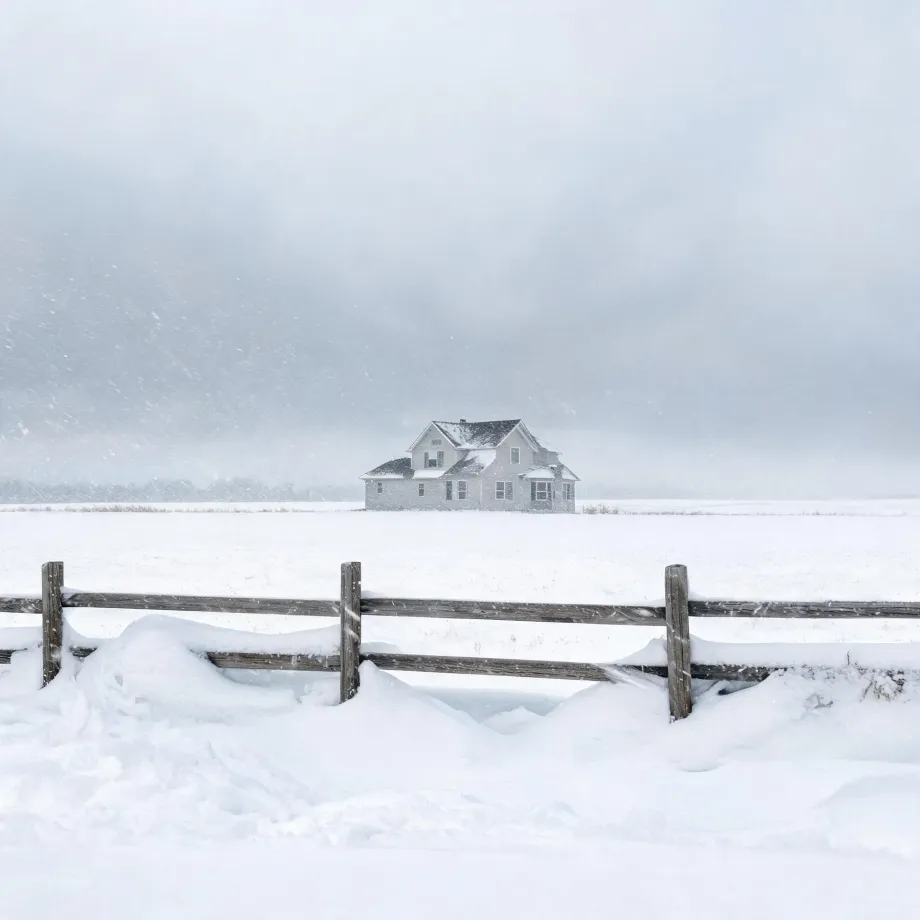
Homes in Custer County, SD run heat about nine months a year, from September through May. A boiler that has been firing and resting on that schedule builds wear into the burner, the ignition system, and the heat exchanger at a pace that shows up in the parts a contractor finds failed. On a repair call, those are the first things opened, because that is where the load lands. Seals and expansion joints take the thermal stress of repeated cycling, and a contractor pricing a repair here accounts for that history before quoting anything else.
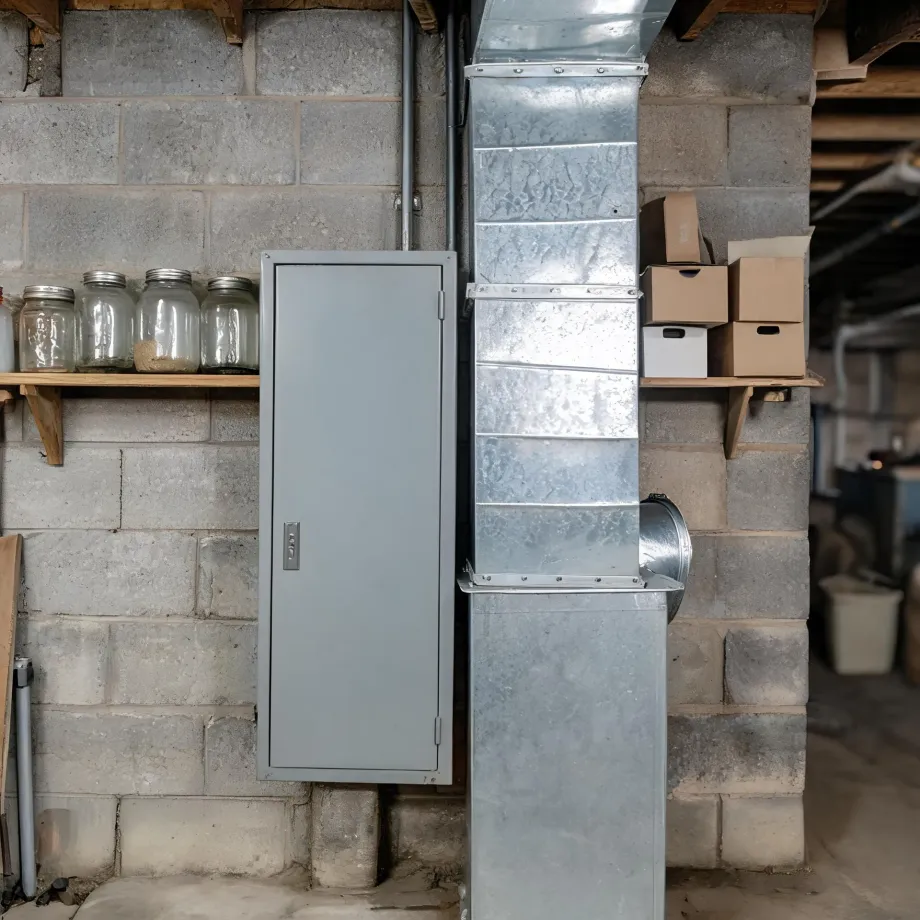
Half the homes in Custer County, South Dakota were built in 1994 or earlier (2020-2024 ACS 5-year). That puts a large share of the county's homes in a range where the boiler itself has likely been replaced or patched at least once since the house was built, meaning the heating system a contractor opens is not the one the house was designed around. What the contractor finds inside the unit determines the repair scope: whether seals and heat exchanger surfaces have degraded in ways that affect safety, whether the controls are still serviceable, and whether the parts a given boiler takes are still in supply. The building's age sets the backdrop, but it does not answer those questions.
The Parts of a Boiler a Contractor Checks First
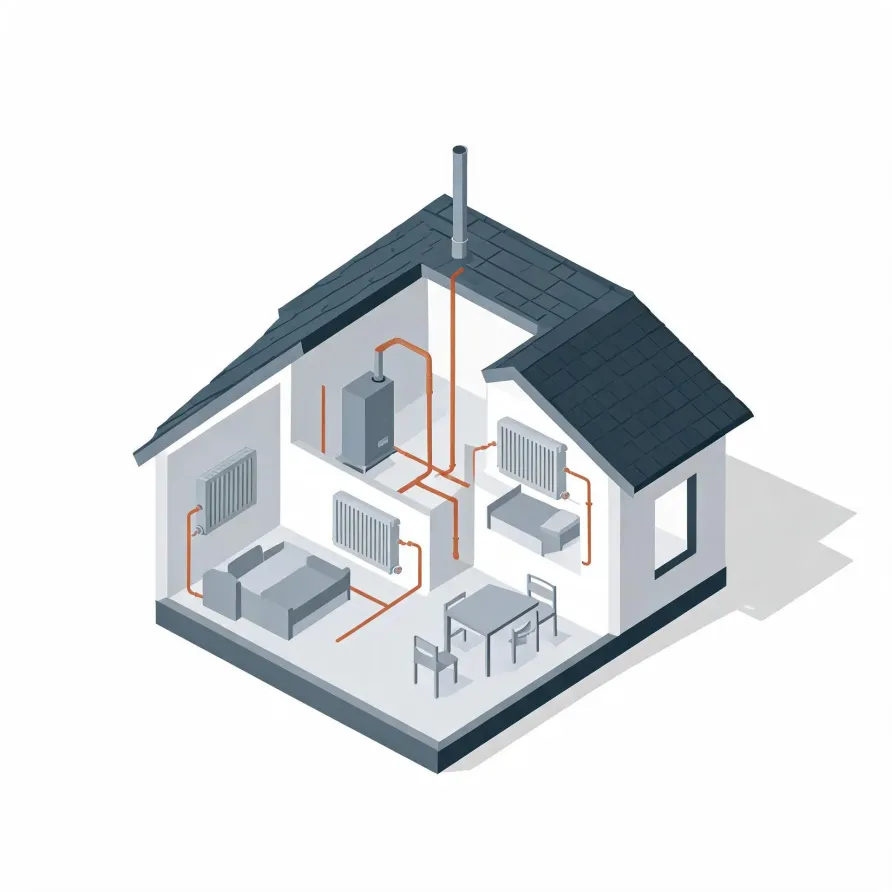
The boiler itself sits in a mechanical room, basement, or utility closet and is the piece a contractor goes to first when something is wrong. It heats water and pushes it through the system. When the boiler is the source of the trouble, signs tend to be obvious: no heat at all, water pooling underneath, or the unit cycling on and off without finishing a heating cycle.
Radiators or baseboard units sit in each room and release heat from the water passing through them. The circulator pump, which moves water through the pipes between the boiler and those terminal units, is a frequent suspect when heat reaches some rooms but not others. The expansion tank and pressure relief valve sit close to the boiler and protect the system from pressure that builds as water heats.
The drawing shows a general layout of how these pieces relate to one another, and a licensed contractor determines which of them applies to your specific house and situation.
Find a contractor in Custer CountyCuster County by the Numbers
530 severe weather events were recorded in Custer County, South Dakota between 2015 and 2024.
NOAA National Centers for Environmental Information, Storm Events Database, bulk CSV export, events 2015-01-01 through 2024-12-31.Half the homes in Custer County, South Dakota were built in 1994 or earlier (2020-2024 ACS 5-year).
U.S. Census Bureau, 2020-2024 American Community Survey 5-Year EstimatesCuster County, South Dakota holds 5,291 housing units (2020-2024 ACS 5-year).
U.S. Census Bureau, 2020-2024 American Community Survey 5-Year EstimatesOwners occupy 85.6% of the occupied homes in Custer County, South Dakota (2020-2024 ACS 5-year).
U.S. Census Bureau, 2020-2024 American Community Survey 5-Year EstimatesSevere Weather Events in Custer County
Boilers work hardest when outside conditions turn extreme, and South Dakota weather puts real pressure on heating systems over time. How often that pressure hits in Custer County shapes what local boilers go through and what repair work they eventually need.
530 severe weather events, 2015–2024. Source: NOAA National Centers for Environmental Information, Storm Events Database.