Tell us about the job
Takes about a minute. No obligation.
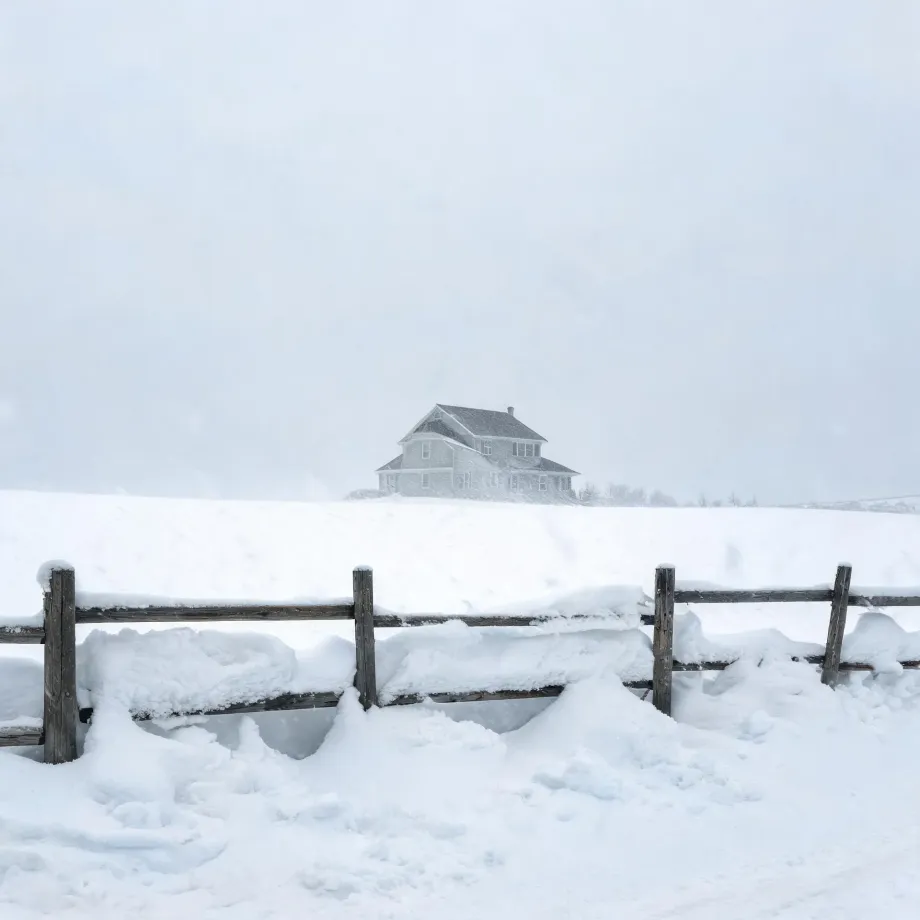
A boiler in Hyde County earns its failures early. Homes in Hyde County, SD run heat about nine months a year, from September through May. The burner, the ignition assembly, and the heat exchanger have been cycling repeatedly since September, and by the time a homeowner notices a problem, those components have taken the bulk of their annual load. A contractor quoting a repair here checks ignition components and heat exchanger condition before anything else, because that is where the wear concentrates on a system that runs this long without going idle.
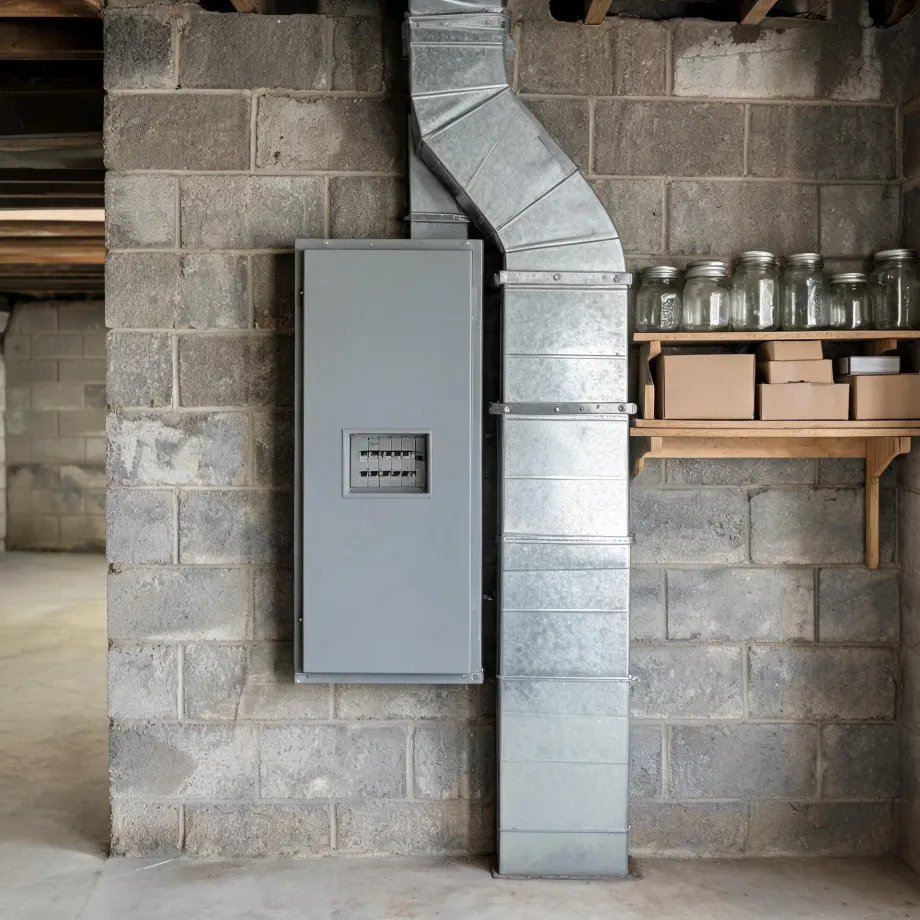
A boiler sitting in a Hyde County basement has likely been there long enough that the manufacturer's parts line has moved on. Half the homes in Hyde County, South Dakota were built in 1960 or earlier (2020-2024 ACS 5-year). When a contractor opens the unit, what decides the scope is whether the valves, seals, or heat exchanger sections it needs are still in production, or whether the job becomes a sourcing problem before it becomes a repair. Stock this old was not built around the systems running in it now, and the gap between original construction and current equipment is where the repair either resolves quickly or stalls.
The Parts of a Boiler a Contractor Checks First
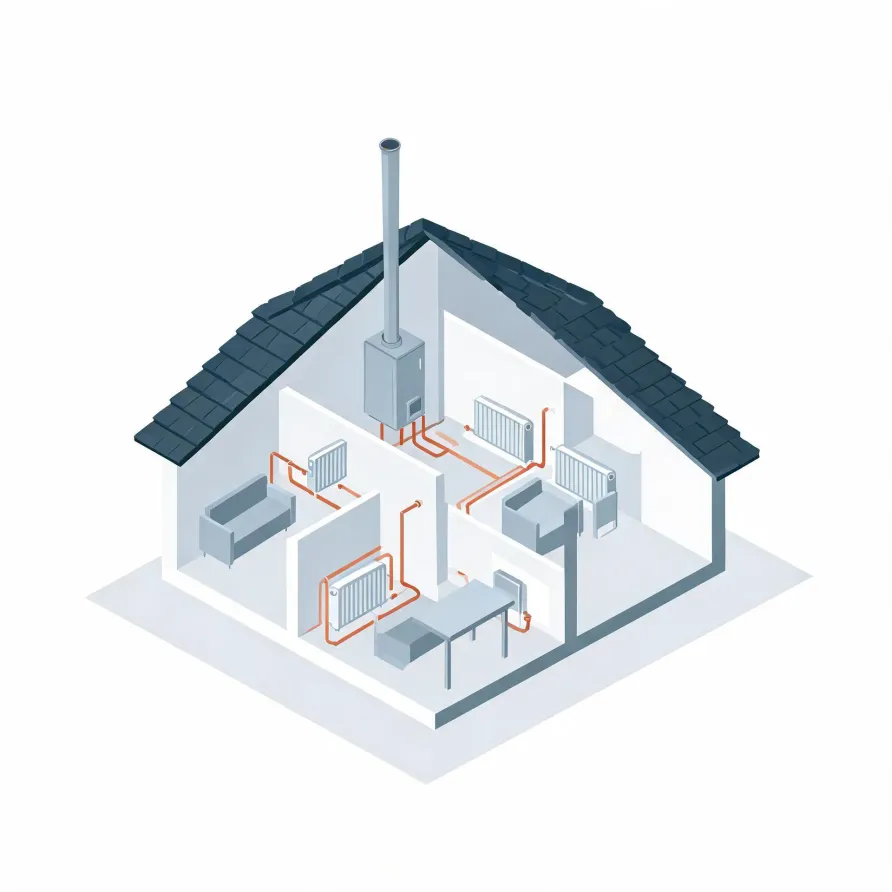
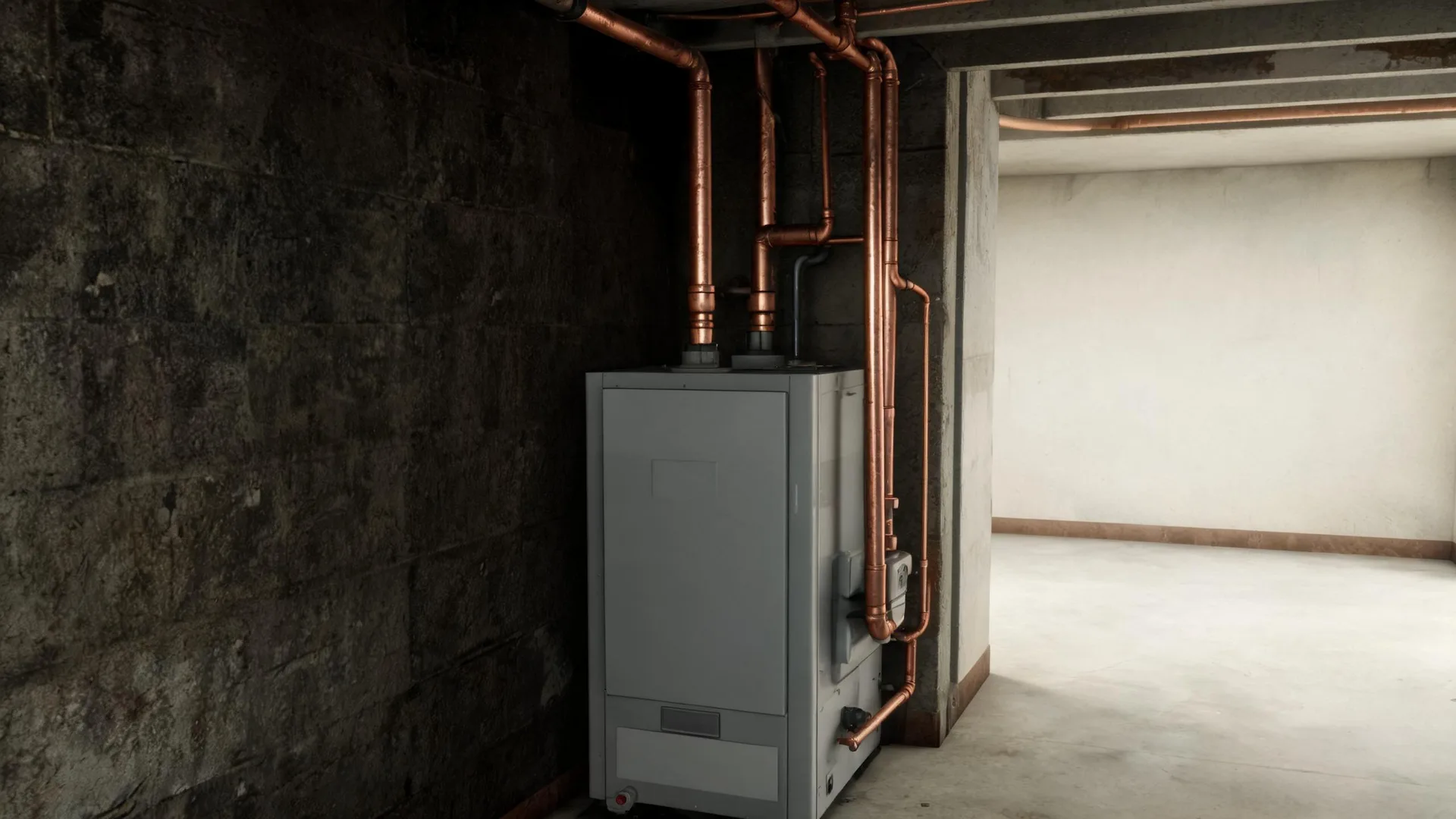
The boiler itself sits in the basement or a mechanical room and is the piece a contractor goes to first. It heats water and pushes it through the system. When a boiler is failing, the signs often trace back here: short cycling, pressure problems, or a heat exchanger that has cracked or corroded.
Radiators or baseboard units sit throughout the living spaces and release heat into each room. Connecting them to the boiler are the supply and return pipes, along with the circulator pump that keeps water moving. A stuck pump, an airlock in the pipes, or a radiator valve that no longer opens fully can leave one room cold while the rest of the house heats normally.
The drawing shows a typical boiler layout, and a licensed contractor determines which components apply to your specific setup.
Find a contractor in Hyde CountyHyde County, South Dakota, by the numbers
169 severe weather events were recorded in Hyde County, South Dakota between 2015 and 2024.
NOAA National Centers for Environmental Information, Storm Events Database, bulk CSV export, events 2015-01-01 through 2024-12-31.Half the homes in Hyde County, South Dakota were built in 1960 or earlier (2020-2024 ACS 5-year).
U.S. Census Bureau, 2020-2024 American Community Survey 5-Year EstimatesHyde County, South Dakota holds 617 housing units (2020-2024 ACS 5-year).
U.S. Census Bureau, 2020-2024 American Community Survey 5-Year EstimatesOwners occupy 83.5% of the occupied homes in Hyde County, South Dakota (2020-2024 ACS 5-year).
U.S. Census Bureau, 2020-2024 American Community Survey 5-Year EstimatesSevere Weather Events in Hyde County
Extreme weather puts direct stress on boilers, forcing the equipment to work harder and wear faster than it would under mild conditions. How much of that stress Hyde County sees from year to year shapes what repair work looks like here.
169 severe weather events, 2015–2024. Source: NOAA National Centers for Environmental Information, Storm Events Database.