South Dakota Boilers
Profile view of a bearded man wearing a dark green baseball cap and a dark gray T-shirt against a plain light background.

How to bleed radiators before a South Dakota winter

Step 1 of 3: Equipment

When should I bleed my radiators before winter hits?

You've got a boiler and you know the cold is coming. Before the furnace crowd even thinks about their systems, you want your radiators checked and bled so the first hard freeze doesn't catch you with a cold spot in the living room or a boiler working harder than it should.

Bleed your radiators in September or early October, before you turn the heat on for the season

Air gets trapped in a radiator over the months it sits idle, and that air collects at the top, so the bottom gets hot while the top stays cool no matter how long the boiler runs. Bleeding it before the first real cold snap means you find that out on a mild afternoon, not during a January night when every radiator needs to be working. Once you're running the boiler daily, which in South Dakota is usually by late October, any air that's left has already cost you some heat and some gas. Do it once before the season starts, then check again if a room still runs cold once winter sets in.

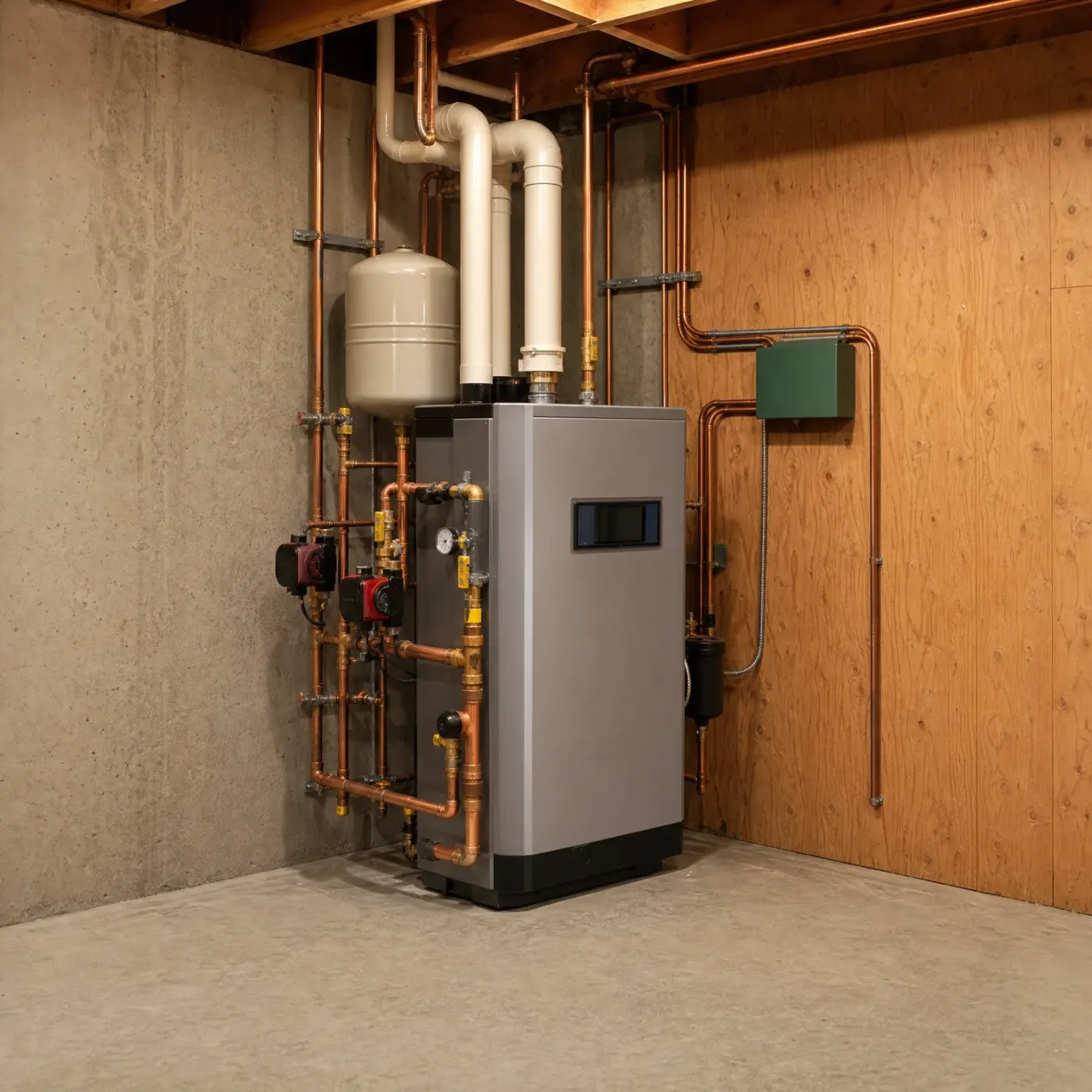
A gray floor-standing boiler in a basement corner with copper piping, two red circulator pumps, a beige expansion tank, white PVC vent pipes, concrete and plywood walls.

Bled and running right

Heat moves through the radiator top to bottom, and the room warms up evenly. The circulator pump doesn't strain against trapped air, and the boiler doesn't run longer than it has to. Every pipe and fitting stays doing its job, quietly, the way it's supposed to.
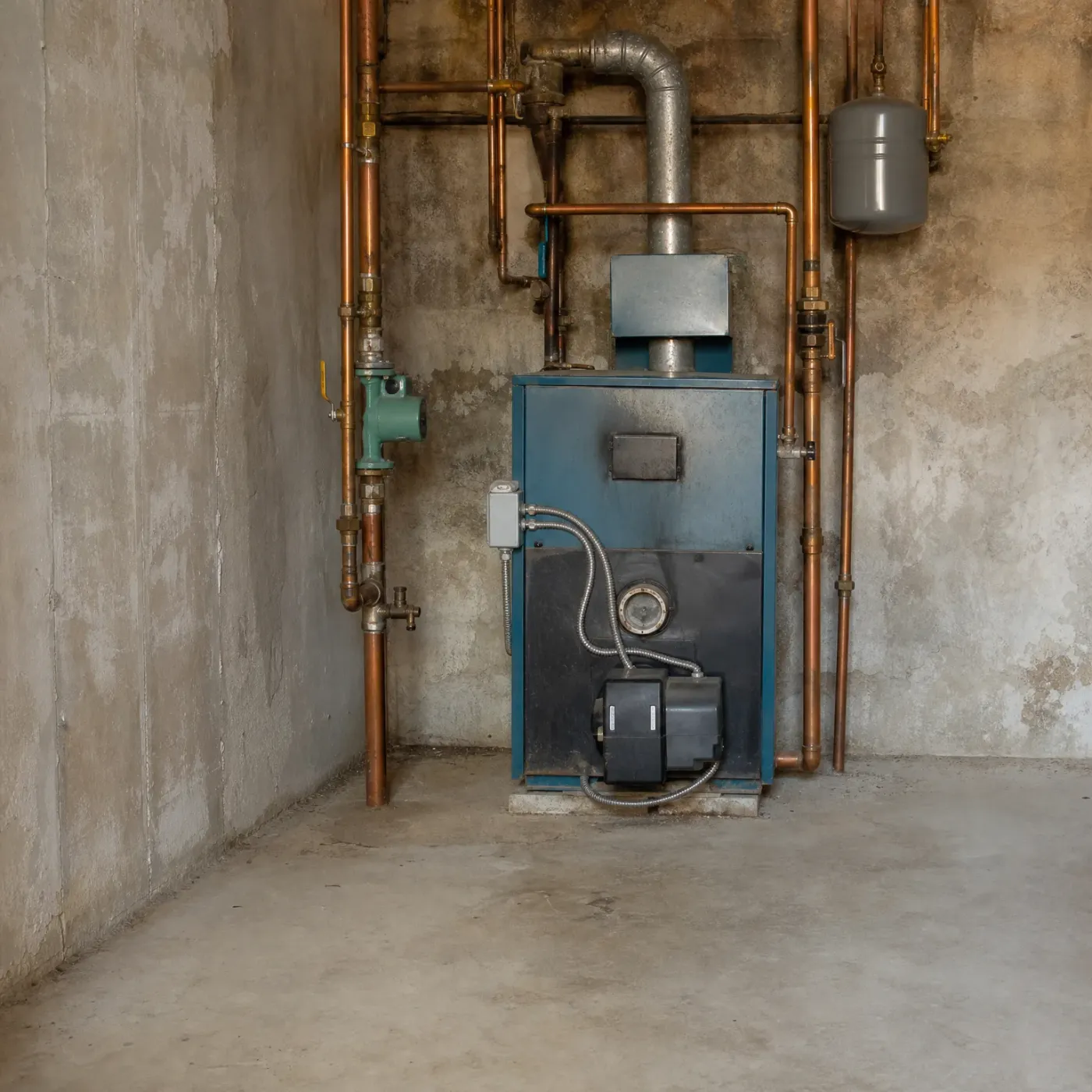

A blue residential boiler with a metal flue, pressure gauge and burner unit stands against a stained concrete basement wall, surrounded by copper pipes, a green circulator pump and a gray expansion tank.

Air still in the lines

A radiator that's cold on top but hot on the bottom has air trapped inside it. The pump works harder to push water past that pocket, and the boiler cycles more to make up for it. Left alone through a cold snap, that strain adds up.

A woman with long gray hair wrapped in a checked blanket sits on a sofa by a window with yellow autumn foliage outside, with a lamp, framed picture and plant in the background.
An older woman in a cream knit sweater sits on a sofa by a window, looking out at sunlit trees with yellow and orange autumn leaves, with a bookshelf and lamp behind her.
A woman with gray shoulder-length hair in a dark knit sweater sits on a cushioned seat by a window, looking out at yellow autumn foliage, with a living room, armchair, houseplant and framed picture behind her.
An older woman with gray hair in a bun, wearing a cream knit sweater, sits on a sofa with a gray blanket and looks out a large window toward yellow-green autumn trees, with a lit table lamp and dark armchair behind her.

Every radiator has a bleed valve at the top corner, and that placement isn't random. Air is lighter than water, so it rises and collects right there, above the water line, while the water fills the rest of the radiator. That's why you feel a cold patch at the top of a radiator with a warm bottom. It isn't a boiler problem or a circulation problem. It's just trapped gas sitting where the water should be. The fix follows the same order every time. Start with the radiator furthest from the boiler, since it's usually the one holding the most air, then work your way back toward the boiler room. A quarter turn of the key brings a hiss as the air escapes, and that hiss changes to a thin spray of water right before the valve runs clear. That's your signal to close it. Each radiator you bleed pulls a little pressure out of the system, so check the gauge near the boiler as you go and add water if it drops below what the manufacturer calls for.

How Bleeding Actually Works

  • Air collects at the top of each radiator because the bleed valve sits at the highest point, where trapped gas naturally rises.
  • Turning the bleed key counterclockwise a quarter turn releases air with a hiss, and that hiss stops the moment water is about to come out.
  • Work the radiator farthest from the boiler first, then move closer, since distant radiators usually trap the most air.
  • The boiler's pressure gauge drops as you bleed each radiator, so check it after every one and top off the system if it falls below the manufacturer's minimum.
  • A radiator that stays cold at the top but warm at the bottom almost always has an air pocket rather than a circulation problem.
  • Close the bleed valve as soon as a steady stream of water appears, since leaving it open even a few seconds too long wastes system pressure.
A woman in a cream knit sweater sits in an armchair with her eyes closed and a slight smile, beside an open window showing orange autumn foliage, with a mug, books and a lit candle on a small side table.
An older man with gray hair and a beard leans back on a beige sofa with his eyes closed, in a sunlit room with potted plants, a wicker chair and large windows behind him.

What an Unbled Radiator Costs You

  • A radiator with trapped air stays cool at the top while the bottom gets hot, even with the boiler running fine.
  • The circulator pump works harder against an air pocket, and that extra strain is what shortens its life over time.
  • A bedroom that never quite warms up in January is often just a radiator nobody bled before the cold set in.
  • Trapped air sits against the metal and feeds corrosion from the inside, slowly, where you can't see it.
  • Skipping it costs you higher gas use all winter, since the boiler runs longer to make up for radiators that aren't moving heat right.
  • One cold radiator in a back room usually means the whole loop has air in it, not just that one unit.

You'll feel it before you understand it. A room that used to heat fine by nine in the morning now takes until noon, if it gets there at all. Put your hand on the radiator and you'll find the top cool and the bottom warm, which tells you the air pocket is sitting right where the water should be. That pocket doesn't just block heat. It makes the circulator pump push against something it shouldn't have to, and a pump that strains all winter wears out sooner than one that doesn't. The boiler feels it too, running longer to put out heat that isn't reaching the room, which shows up as higher gas bills from November through March. None of this is loud. It's a back bedroom that's always a little cold, a pump that hums a bit different than it used to, a gas bill that creeps up and you chalk it up to a hard winter. Underneath the water, trapped air sits against the metal of the radiator and starts corrosion that works from the inside out, where you won't see it until it's a leak. And if one radiator in the house is cold at the top, chances are it isn't alone. Air usually gets into the whole loop at once, so that back bedroom is telling you something about radiators you haven't even checked yet.

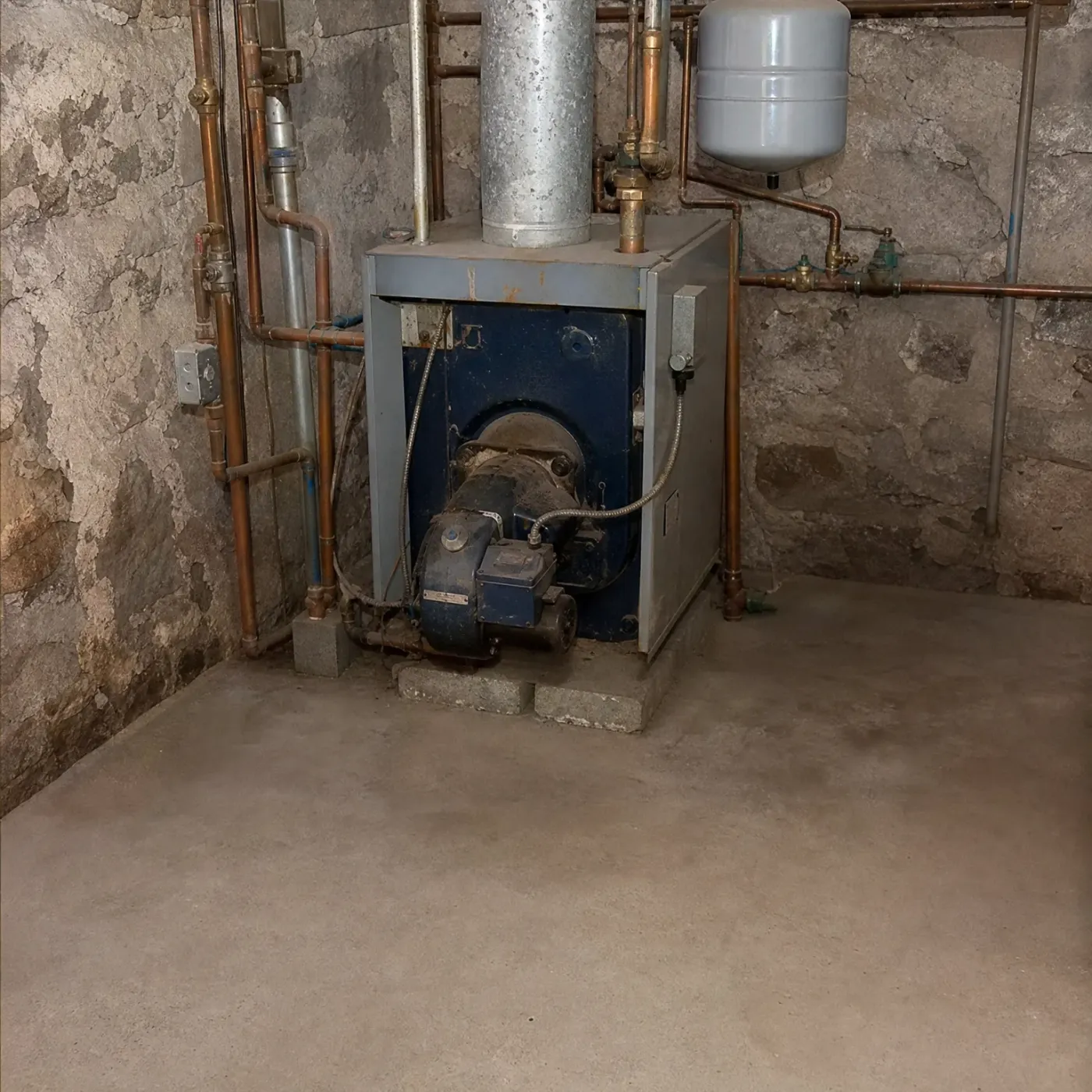
An oil-fired boiler with a blue and gray cabinet and burner sits on concrete blocks in a basement corner with stone walls, connected to copper pipes, a metal flue, and a wall-mounted expansion tank.
Before you get your boiler maintenance
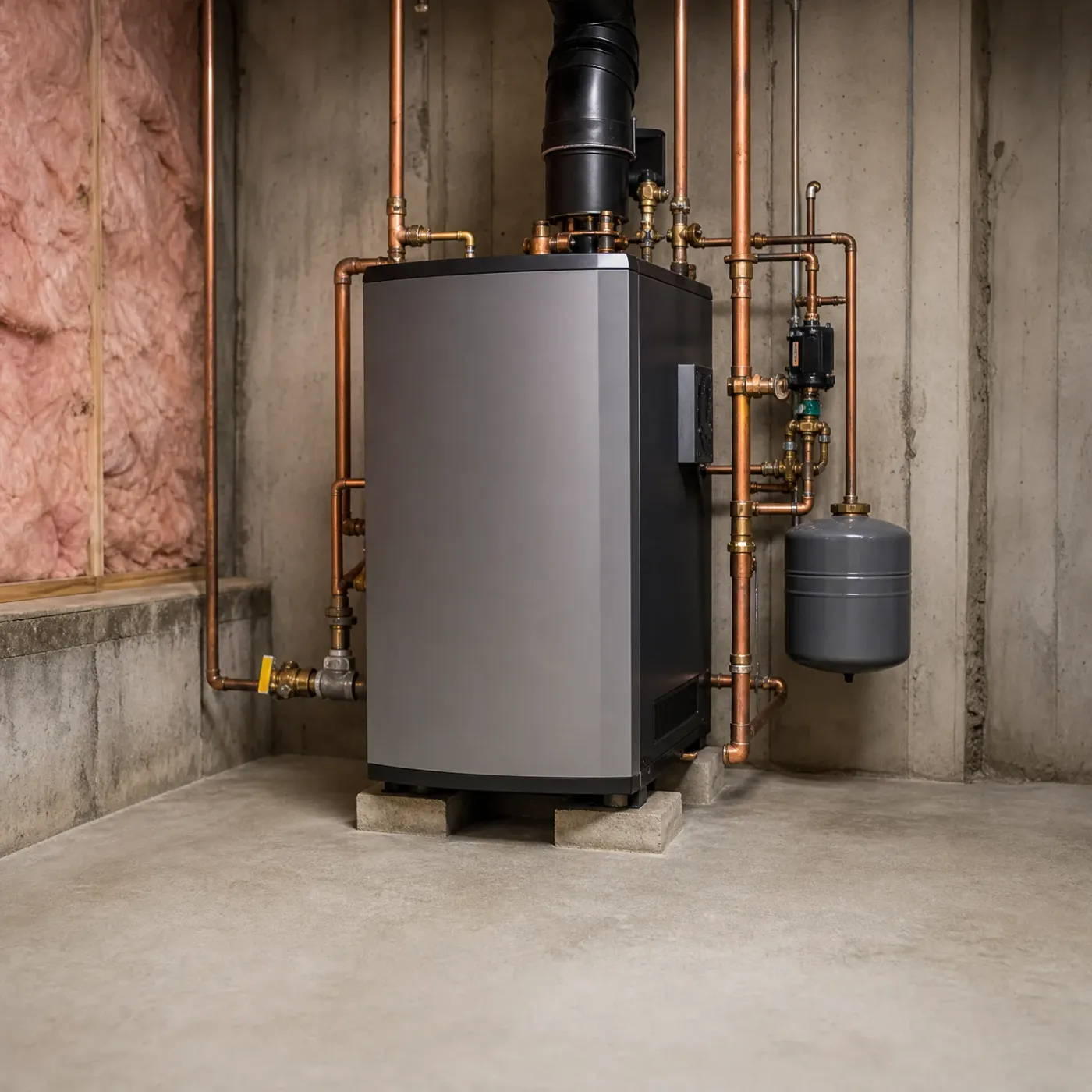
A gray and black boiler unit sits on concrete blocks in a basement corner, connected to copper piping, valves, a black flue duct, and a gray expansion tank, with bare concrete walls and exposed pink insulation at left.
After you get your boiler maintenance

A pro who works on boilers

A South Dakota winter doesn't wait for a convenient weekend, and a radiator with trapped air won't fix itself once the cold sets in. You can bleed each one yourself with a key, but knowing whether the circulator pump has been straining, or whether a valve is starting to seize, takes someone who opens up boilers like yours all season long. That's who gets matched to your request, a licensed contractor working near you, not a list of five companies competing for your callback. One contractor who knows this equipment means someone who can look past the bled radiators and check what else the cold might find first. Gas heat and a boiler system mean specific parts to check before the hard freeze hits, and getting that looked at now, while you still have time, beats finding out what failed on the night it mattered.

Why cold snaps expose the problem

A boiler with trapped air in the lines can still heat a house down to the twenties just fine, because the pump has enough push to move water past the air pocket. Below zero, the margin disappears. The pump is already working harder to push heat through the whole system, and an air pocket that was a minor drag in October becomes the difference between a warm room and a cold one. That's why South Dakota homes with boilers tend to find out about trapped air in January, when it's hardest to deal with, instead of in October when bleeding a radiator takes five minutes.

What the water tells you

Water should come out steady and clear once the hiss stops. If it sputters out in short bursts, there's still air working its way down from the top of the radiator, so give the key another quarter turn and wait. Rusty or dark water usually means sediment sitting low in the system, not just air near the top. That's worth mentioning to whoever services the boiler, since it points to the water quality inside the loop rather than a one-time bleeding issue. Either way, catching it before the hard freezes hit means it gets looked at on your schedule, not during an emergency call.

Winter nights average 11°F statewide

Eleven below is the average overnight low here from December through February, not the occasional bad night. At that temperature your boiler is running most of the night to hold the house, and a radiator with air trapped inside is already working against it before the cold does.

NOAA nClimDiv 1991-2020 county normals weighted by homes

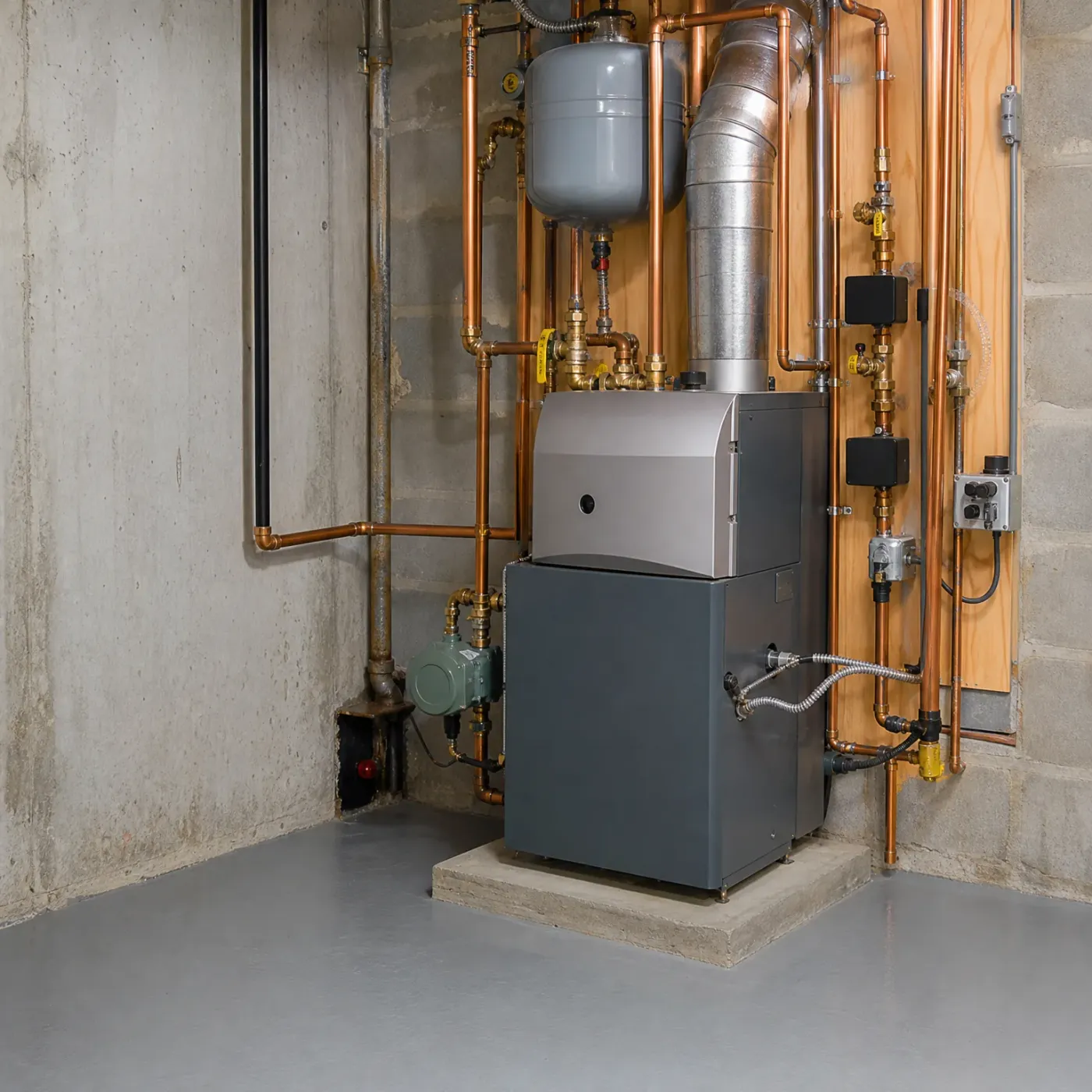
A gray residential boiler on a concrete pad in a basement corner, connected to copper piping, an expansion tank, circulator pumps and insulated flue ducting against concrete and plywood walls.

A system bled and maintained

Copper lines run clean to every radiator and the circulator pump moves water without resistance. A setup like this gets checked before the cold sets in, not after a pipe freezes or a room won't warm.

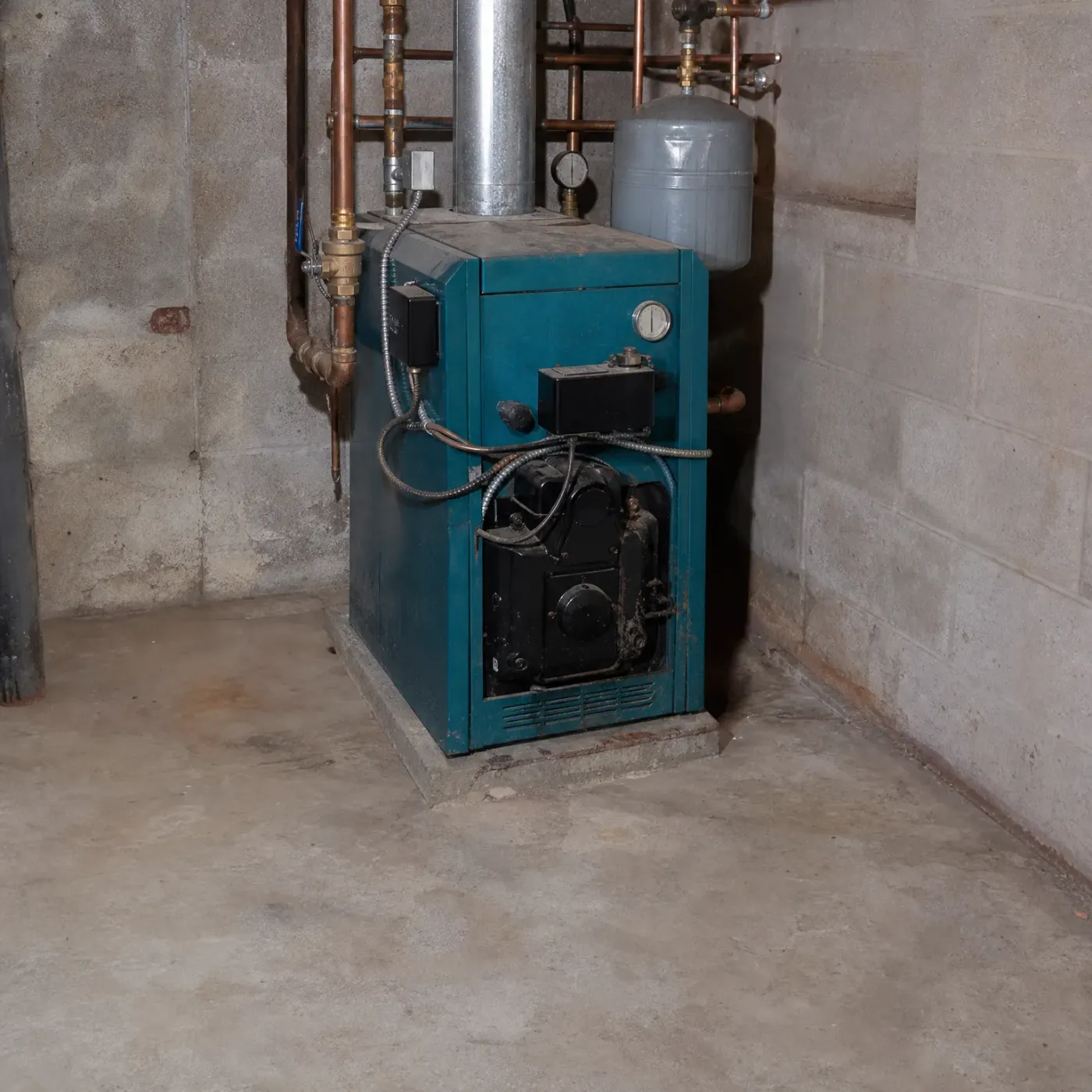
A teal boiler with a pressure gauge and black burner unit sits on a concrete pad in a basement corner, with copper pipes, a flue vent, and a gray expansion tank above against concrete block walls.

A system left to chance

This boiler has sat in the corner for years with nobody looking at the pressure gauge or the lines above it. Once it's thirty below, a weak joint or an old pump bearing is a hard thing to wait out.

A man in a dark blue shirt stands in an open front doorway of a stucco and wood-clad house, facing a blond woman seen from behind in the foreground on a stone walkway.

What a cold house costs you in January

Walk through your own place and you'll find it fast. The bedroom at the end of the hall that never gets warm. The radiator in the living room that clangs at night. Those aren't separate problems, they're both air in the lines, and in South Dakota that's the room you're heating twice, once with the boiler and once with a space heater, while the gas bill and the electric bill both go up for a house that still feels cold.

Leave it long enough and the pump pays for it. It's pushing water past an air pocket every hour the boiler runs, and that's most hours once the cold sets in. A contractor who services boilers around here can tell you in five minutes whether that's wear you can still catch or wear that's already done. Getting matched with one who works this equipment every winter, not a different name every time you call, means the person who looks at your system this year is the one who'd know if something about it looked off from last year.

Interior corner of a living room with a beige upholstered sofa and dark cushion in the foreground, a ceramic vase of leafy branches on a dark side table by a curtained window, a framed picture on the wall, and a wood-surround fireplace at right.
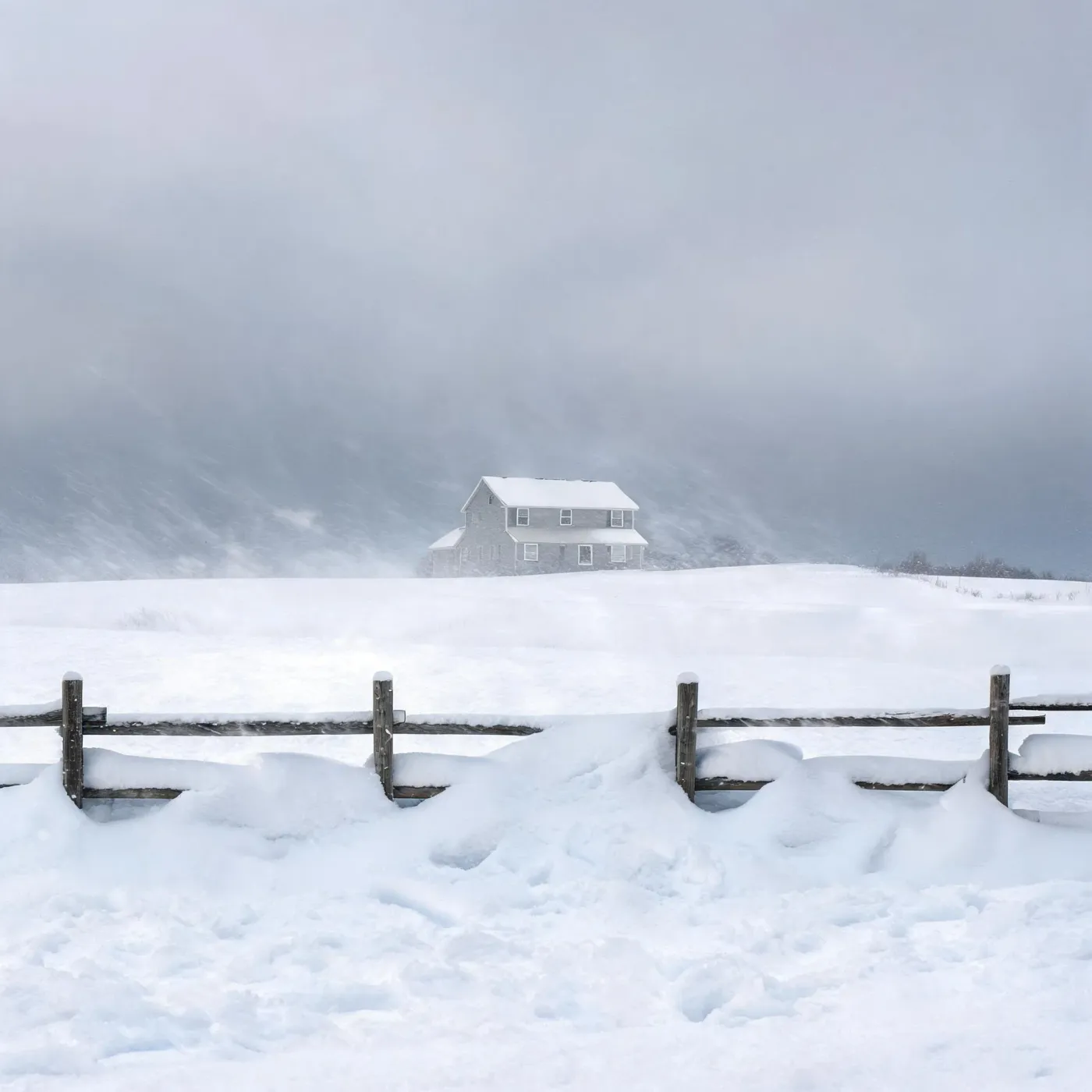
A two-story light-colored house stands on a snow-covered rise under a gray sky during blowing snow, with a partially buried wooden post-and-rail fence in the foreground.

Winter nights average 11°F statewide, according to NOAA climate data, and that's the number your boiler is working against most nights from December through February. Cold water holds more air than warm water, and the colder the return line gets, the more gas comes out of solution and collects at the top of each radiator. A system that bled clean in October can pick up air again by January without anyone touching a valve. That's why checking radiators once before the first freeze isn't enough on a night this cold. A second pass in the dead of winter catches what settled back in after the real cold arrived.

NOAA nClimDiv 1991-2020 county normals weighted by homes

Bleed every radiator before that first hard freeze, starting at the one farthest from the boiler and working back toward it. A quarter turn of the key, a hiss, then water. That's the whole job, and it's the difference between a house that heats evenly in January and one with a cold bedroom and a pump working harder than it should. If you'd rather have someone check the whole system while they're at it, the kind of person worth having out is someone local who deals with boilers like yours every fall, who's already seen what a winter here does to a valve that was never quite seated right or a pump bearing that's been straining longer than anyone noticed. You get matched with one contractor, not a handful calling at once, so the person who shows up is the one who actually fits your system. Your radiators are either ready for eleven below or they aren't. Bleeding them tells you which.

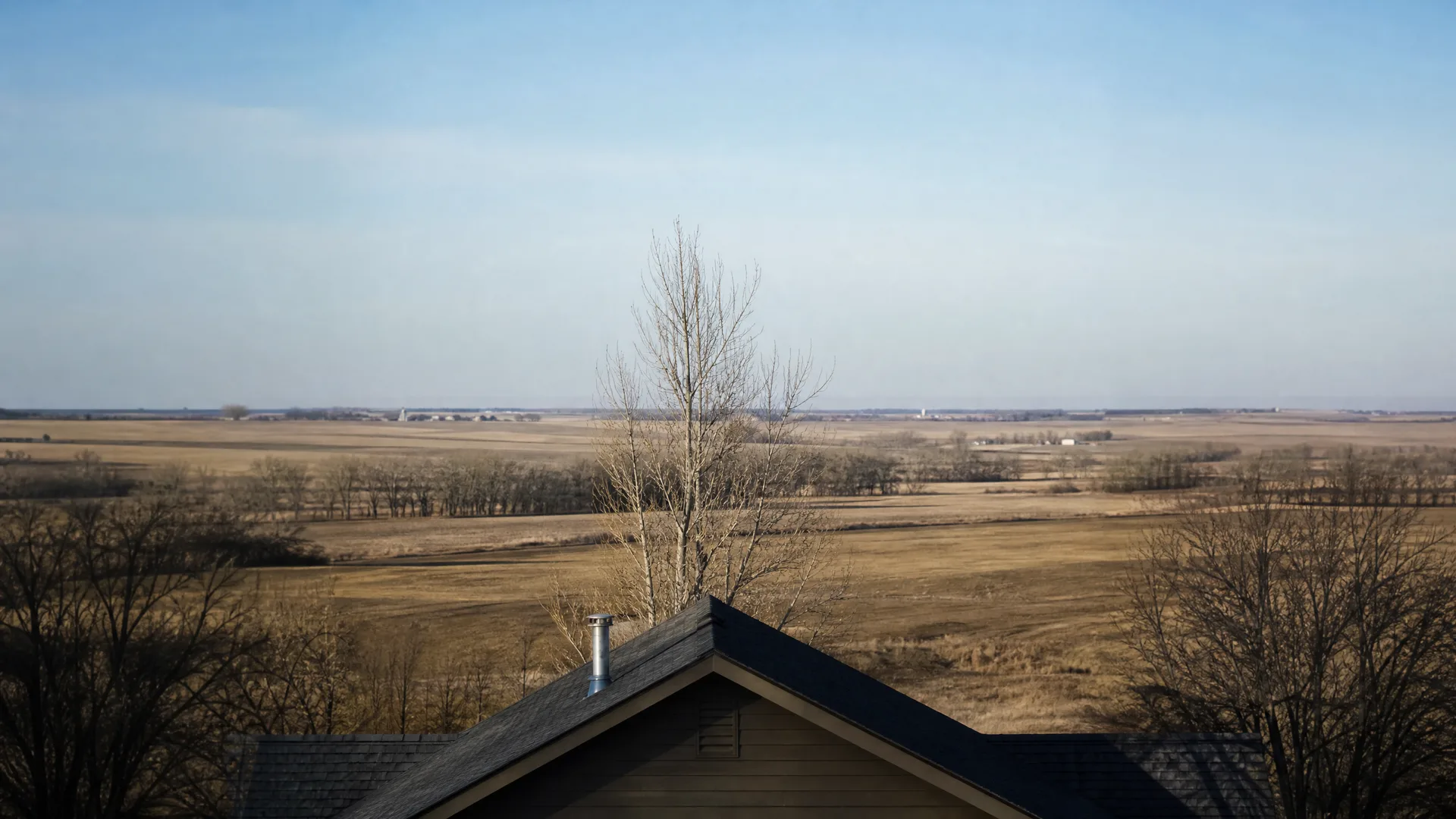
View over a dark shingled gable roof with a metal flue pipe toward flat brown fields, bare trees, and a hazy horizon under a pale blue sky.

Get your boiler to the right pro

Find a licensed boiler pro

Asking costs nothing, and the choice to hire stays yours.

A radiator that won't bleed clean, or a pump that sounds strained after you've tried, usually points to something past a homeowner's reach. A local contractor who services boilers all winter can tell you quickly whether it's a stuck valve or just air, before the next cold snap makes the answer matter more.