
Why your boiler is losing pressure in South Dakota
A boiler losing pressure almost always means water is escaping somewhere, or the system is losing it as steam. Most of the time it's a slow leak: a weeping valve, a pinhole in a pipe joint, or the pressure relief valve letting a little water out when it opens too easily. Sometimes there's no visible water at all, because the leak is small enough to evaporate before it pools, or it's inside a wall or under the floor where you'd never see it. A few bars of pressure dropping over weeks is a slow leak doing its work quietly. A sudden drop is a bigger problem, like a failed seal or valve. Either way, a boiler that keeps needing water topped up isn't fixing itself, and running it low on pressure can trip its safety cutoff and leave you without heat on a cold South Dakota night. Getting the leak found and sealed is a repair job, not a one-time refill.




Where the Water Actually Goes
- The expansion tank holds a cushion of air that absorbs water as it heats and expands.
- If that tank's bladder fails, the system has nowhere to put the extra volume and pressure drops instead of rising.
- The automatic feed valve is supposed to add water quietly whenever pressure dips below about 12 psi.
- A feed valve stuck shut means every small loss goes unanswered until the gauge reads near zero.
- Pinhole leaks often show up first as a damp spot on a baseboard pipe or a rust streak near a fitting.
- The pressure relief valve is set to open around 30 psi, and once it opens even briefly it rarely seats perfectly again.
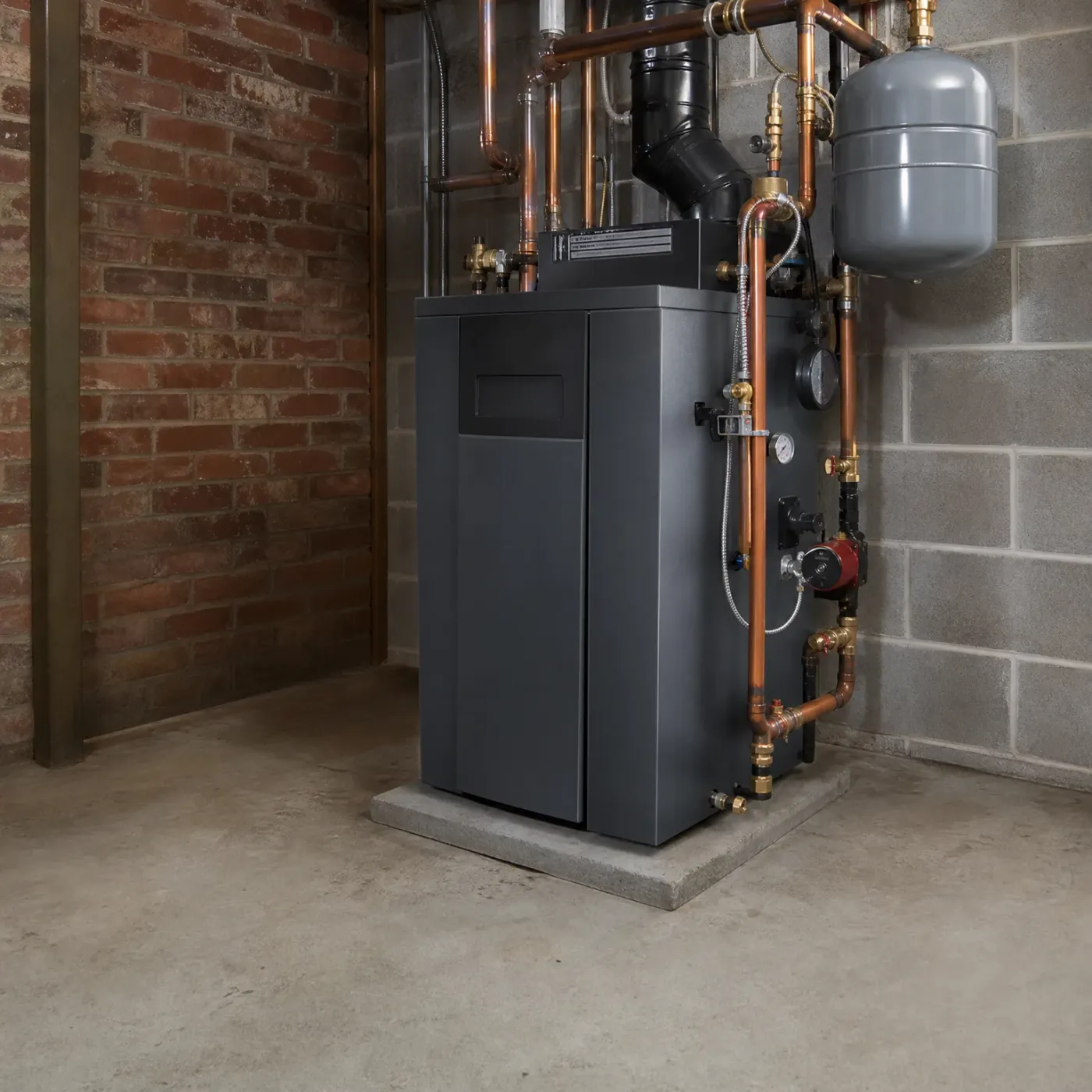
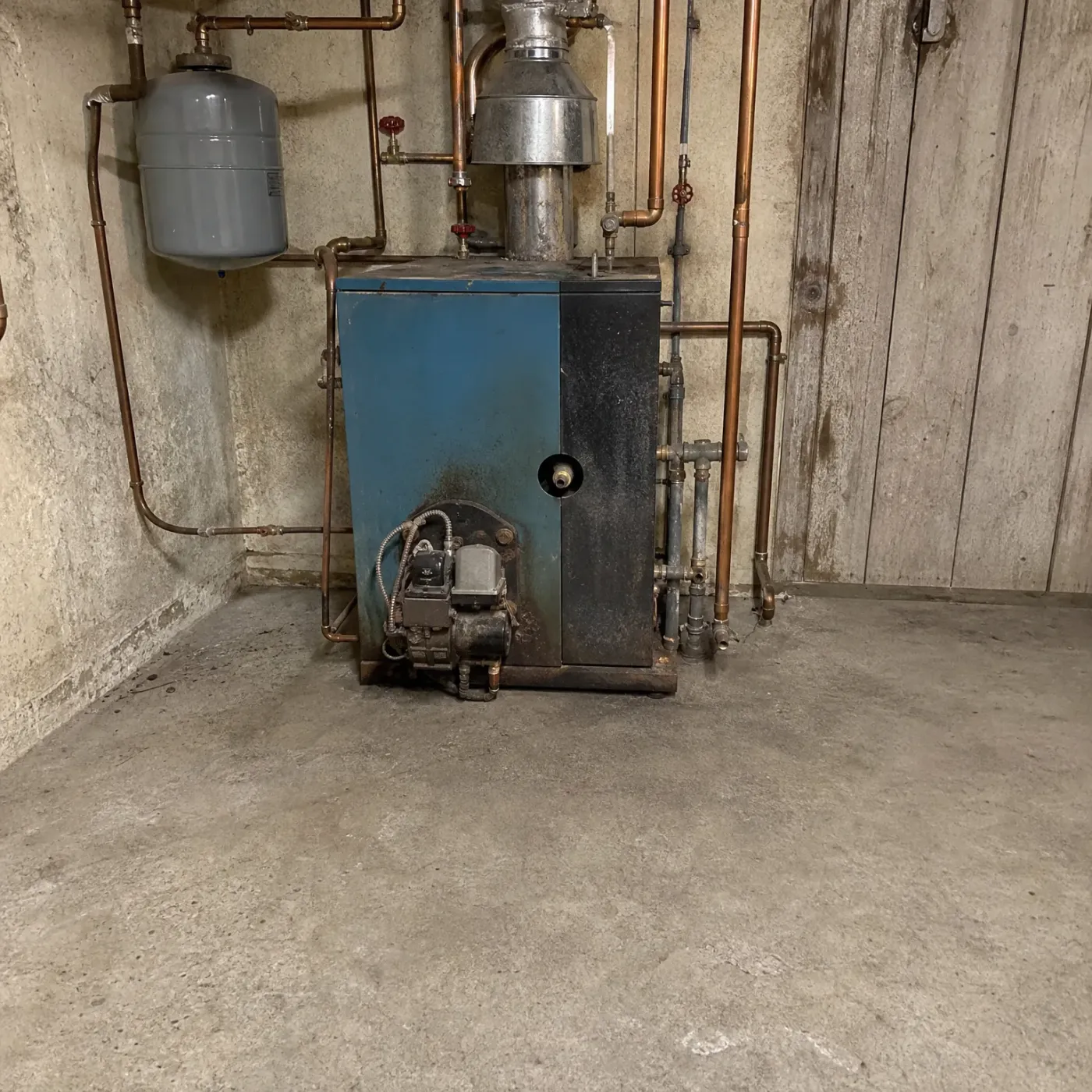
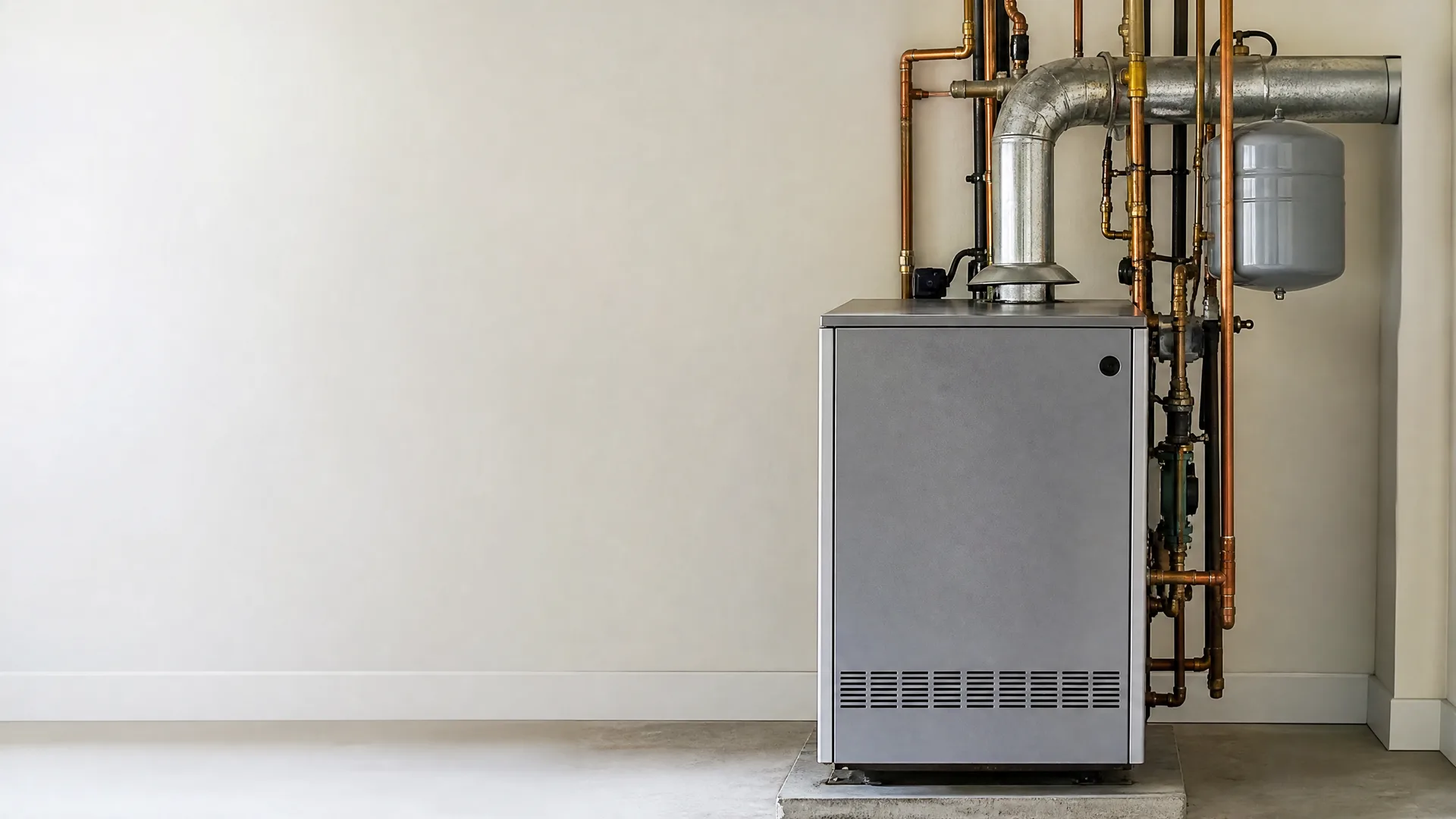
A boiler is a closed loop, so when pressure drops, that water went somewhere specific. The expansion tank is usually the first place to look. Inside it sits a rubber bladder with air on one side and system water on the other, and that air cushion is what lets the water expand as it heats without spiking the pressure. When the bladder splits or the air charge leaks out, the tank stops doing its job and the gauge reads low instead of climbing when the boiler fires. From there, check the automatic feed valve, the fitting that's supposed to top off the loop on its own whenever pressure falls under about 12 psi. If that valve is stuck shut, nothing corrects the slow losses that are normal in any system, and pressure just keeps sliding. If the feed valve is working fine and pressure still drops, the water is leaving through a joint or a valve somewhere in the house. A pinhole leak at a pipe fitting often shows itself as a small wet patch on a baseboard cover or a rust-colored streak near the joint, long before there's a puddle. And if the pressure relief valve has ever opened, even for a second around its 30 psi setting, it may not reseat fully. A relief valve that's weeping even slightly will drain pressure the same way a leak does.
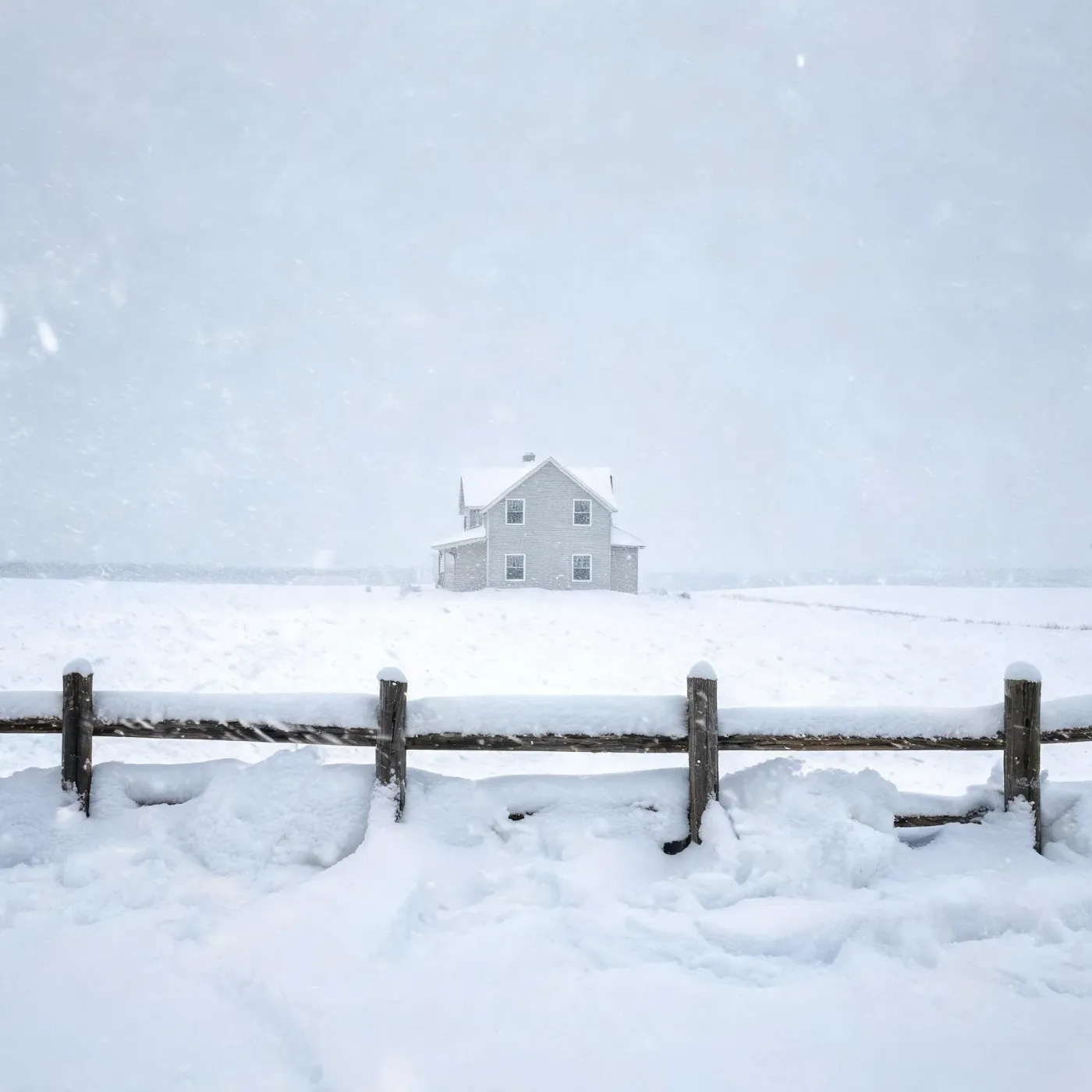
South Dakota winter nights average 11°F statewide, per NOAA. Cold like that makes a boiler run long stretches without shutting off, and all those extra hours put more strain on every joint and valve already losing water slowly. A system that held pressure fine in October can drop into the red by January once the cold sets in for good. If you've watched the gauge fall and don't want to spend evenings calling around for someone who can actually look at it, the page can match you with a contractor who serves your area, and they'll reach out to you directly.
NOAA nClimDiv 1991-2020 county normals weighted by homes
Matched to your boiler job

Answer a few questions instead of calling shop after shop.
You only hire the pro if you want to.
Finding the leak takes a gauge check
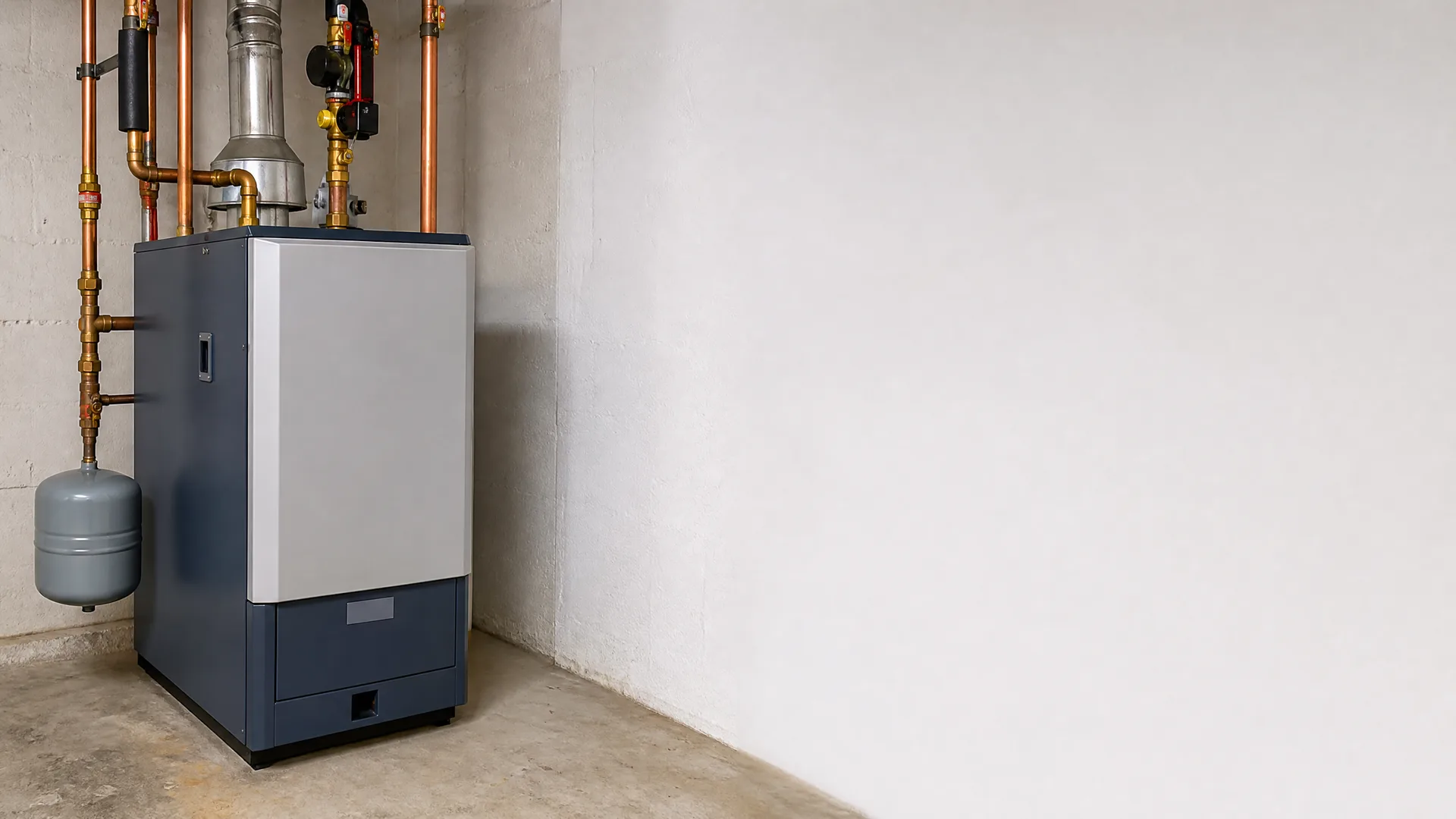
A pinhole leak rarely shows itself as a puddle. Most of the water turns to vapor before it ever reaches the floor, so a contractor checks pressure cold, then checks it again after the boiler has run a while. A system that reads fine at 7am and low by evening is losing water somewhere in that stretch, even if every pipe looks dry to the eye.
Repeated refills wear parts out faster
Water carries minerals that settle out as it heats, and every time the feed valve adds fresh water to make up for a leak, it adds more of that mineral load. Over time it builds up inside valves and on heat exchanger surfaces, making them work harder and fail sooner. A boiler that needs refilling every week is aging faster than one that holds its charge.
Repair The Leak Or Replace The Boiler
Fix the leak
- A contractor finds where the water is going and repairs that one point, whether it's a valve packing, a pipe joint, or the pressure relief valve itself.
- The rest of the system, the expansion tank, the feed valve, the gauge, is left as it is unless it's also failing.
- If the leak is small and caught early, the repair can be quick and the boiler holds pressure again the same day.
- A repaired leak can still be followed by another one somewhere else in the system months or years later.
- This costs less upfront than replacing the boiler, but it doesn't address an expansion tank or feed valve that's also wearing out.
Replace the boiler
- A new boiler comes with a new expansion tank, feed valve, and relief valve, so none of those parts are already partway through failing.
- This makes sense when the leak is inside the boiler itself, or when several parts are failing around the same time.
- A boiler old enough to be losing pressure from internal corrosion usually isn't worth repairing piece by piece.
- Replacement is the bigger job and the bigger cost, done once instead of a repair that might need repeating.
- Once it's installed, you're not watching the gauge wondering if this is the start of another slow leak.
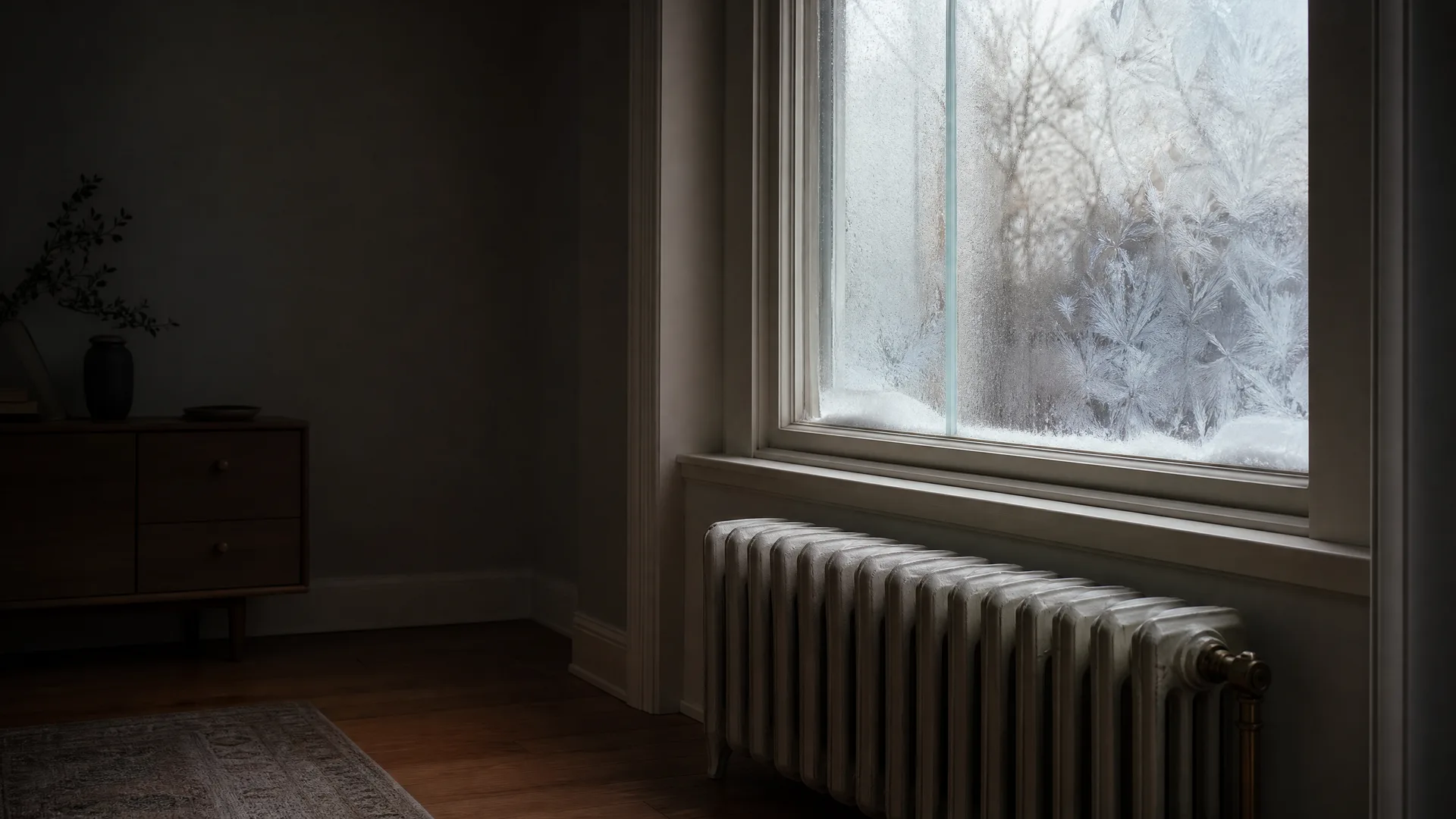
You get up before the sun, like always, and the living room is the coldest room in the house. The radiator under the window hasn't put out real heat in an hour. Outside it's well below zero, the kind of South Dakota morning where the glass fogs and then freezes on the inside, a thin sheet of ice right at the corner of the pane. You touch the radiator. Warm at the bottom, barely. You go check the gauge in the basement and it's sitting under 5, where it was holding near 15 a few days ago. The boiler is running, but the house isn't catching up.
Winter nights average 11°F statewide
At 11°F, your boiler is firing almost constantly to keep up. Every extra hour it runs is another hour that slow leak at a valve or joint keeps weeping water out, so pressure you could watch drop over a week in fall can drop in a day or two once the cold sets in.
NOAA nClimDiv 1991-2020 county normals weighted by homes

Losing pressure means losing water, somewhere
A boiler that won't hold pressure has a leak or a failed part, and on a cold South Dakota morning that's not something to leave for spring. You can watch the gauge, you can bleed a radiator, but finding a pinhole in a joint or a bad expansion tank takes someone who's opened up a hundred of these systems before yours.
That's the part a contractor handles. Once you're matched with one who works on boilers in your area, you explain the problem once, they call you back, and you're not the one sorting through listings or waiting on hold to find somebody who still answers the phone for this kind of work.



A boiler pro near you
A boiler that keeps losing pressure needs someone to find where the water is going and fix that point, not just top off the gauge again. Instead of searching around, calling a few places, and explaining the same leak over and over, you answer a few questions once and get matched with a contractor who handles boilers like yours in South Dakota. They reach out to you. No comparing quotes, no repeating yourself, no guessing who's worth calling back.
Describe your boiler job once, to one pro.
Asking costs nothing, and the choice to hire stays yours.