

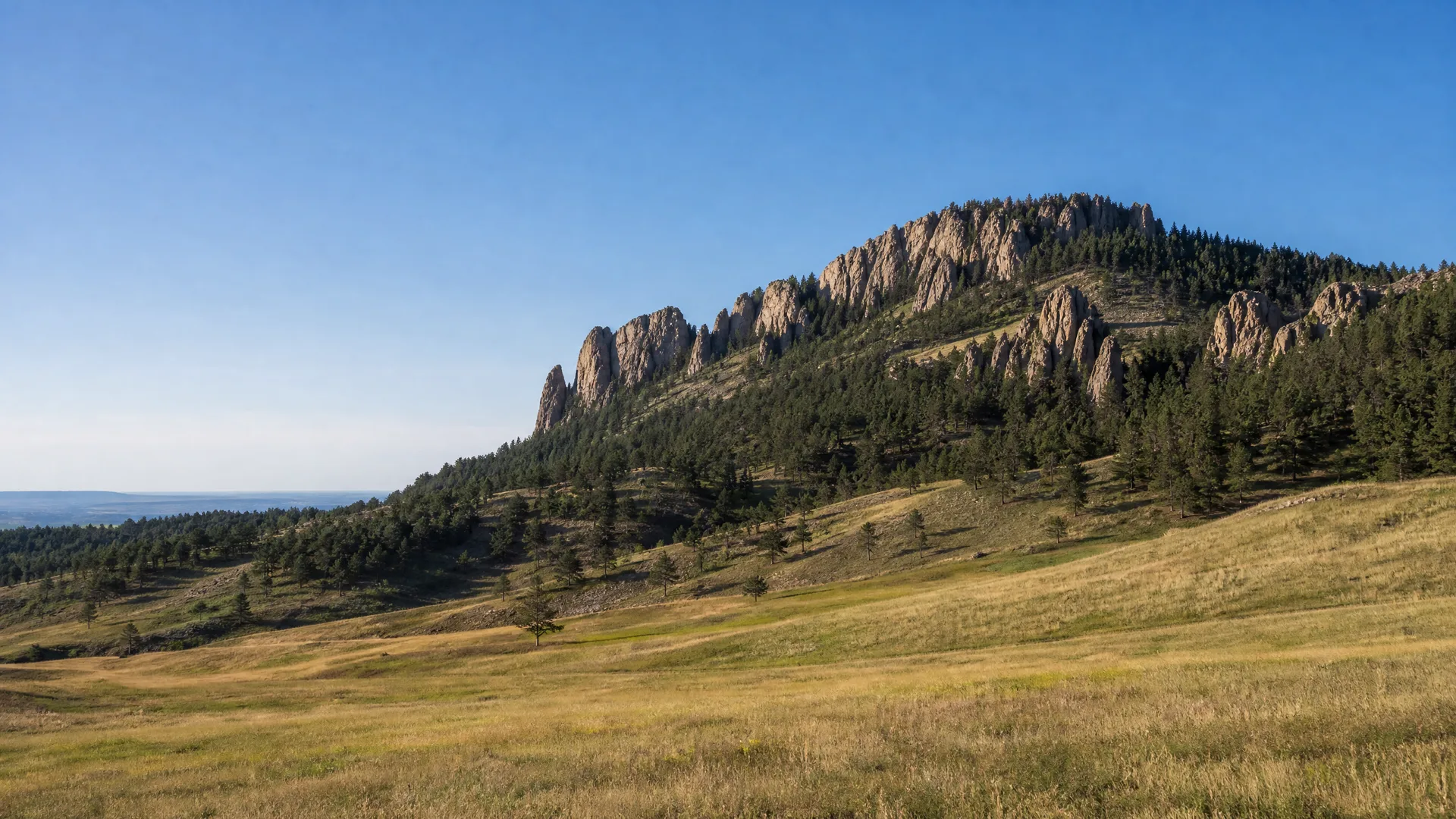

11°F average overnight
A boiler that struggles at that temperature won't get easier to live with on its own. A repair call gets the heat back before the house loses more ground.
Tell a local repair pro what your boiler is doing.
Match me with a proA boiler that won't fire in a South Dakota winter usually comes down to one of a few things. The igniter or pilot can fail, so there's no flame to start the burner even though the system is calling for heat. The pressure can drop too low, which most boilers read as a reason to shut themselves off rather than run unsafely. A clogged condensate line or a safety switch tripped by overheating can do the same thing. Cold snaps make these failures show up fast, because a boiler that was limping along in milder weather gets pushed harder once it has to fight single-digit or below-zero outside temperatures and just can't keep up or gives out. None of these are something to wait out. A boiler that won't start on a night this cold needs a look from someone who can tell which part failed and get the system back on before the house gets too cold to recover from quickly.
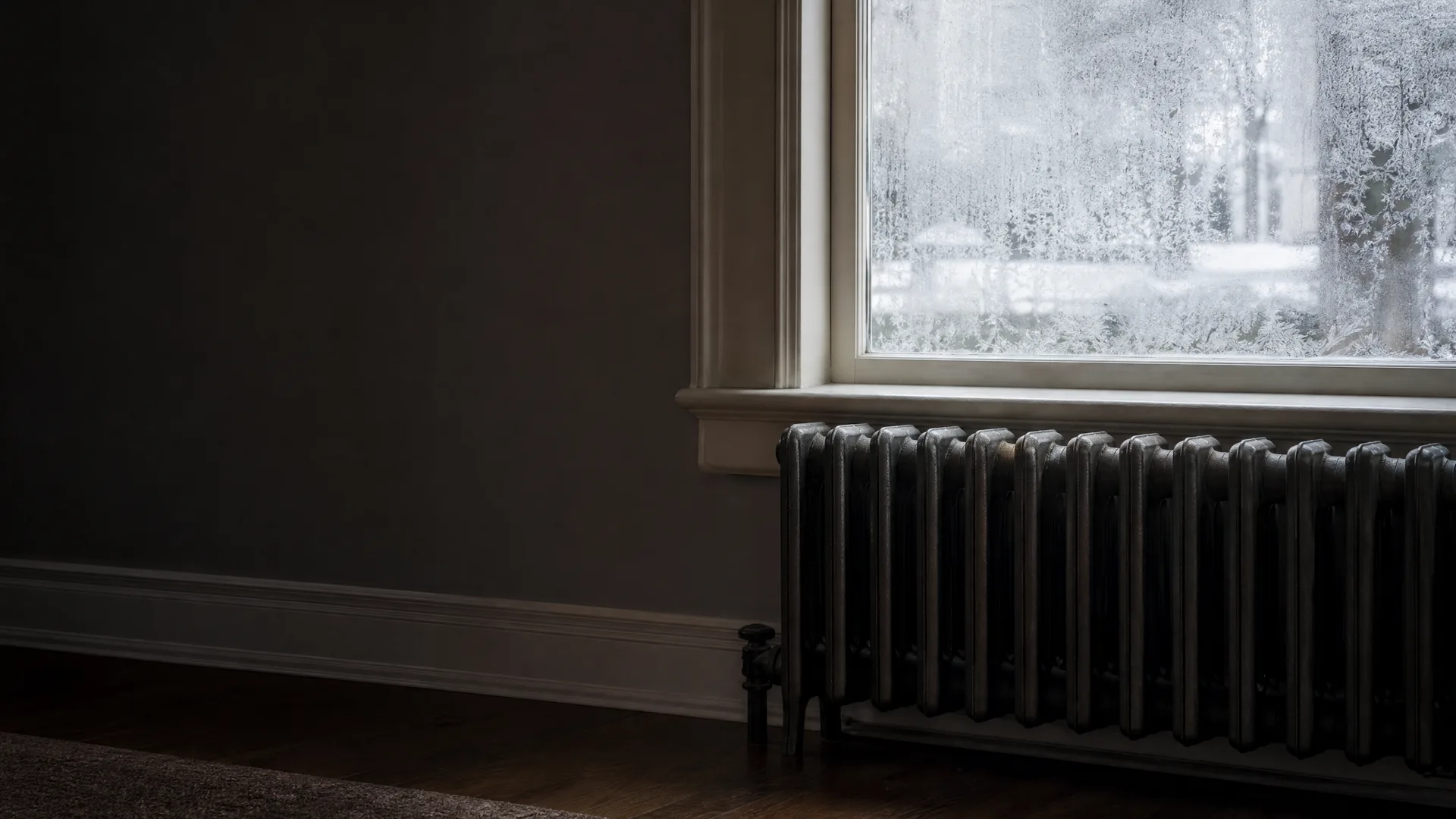
You get up before the rest of the house and the living room is cold in a way that feels different from yesterday. The radiator under the window sits quiet, no tick, no hiss. Outside it's still dark and well below zero. You touch the cast iron and it's cold straight through. On the inside of the glass above it, ice has crept up in a thin sheet, the kind that only forms when there's no heat rising off the radiator to keep it back. You turn the thermostat up five degrees and wait by the window, listening for the boiler to answer. Nothing. The house holds its chill, and you can see your breath faintly when you exhale near the glass.
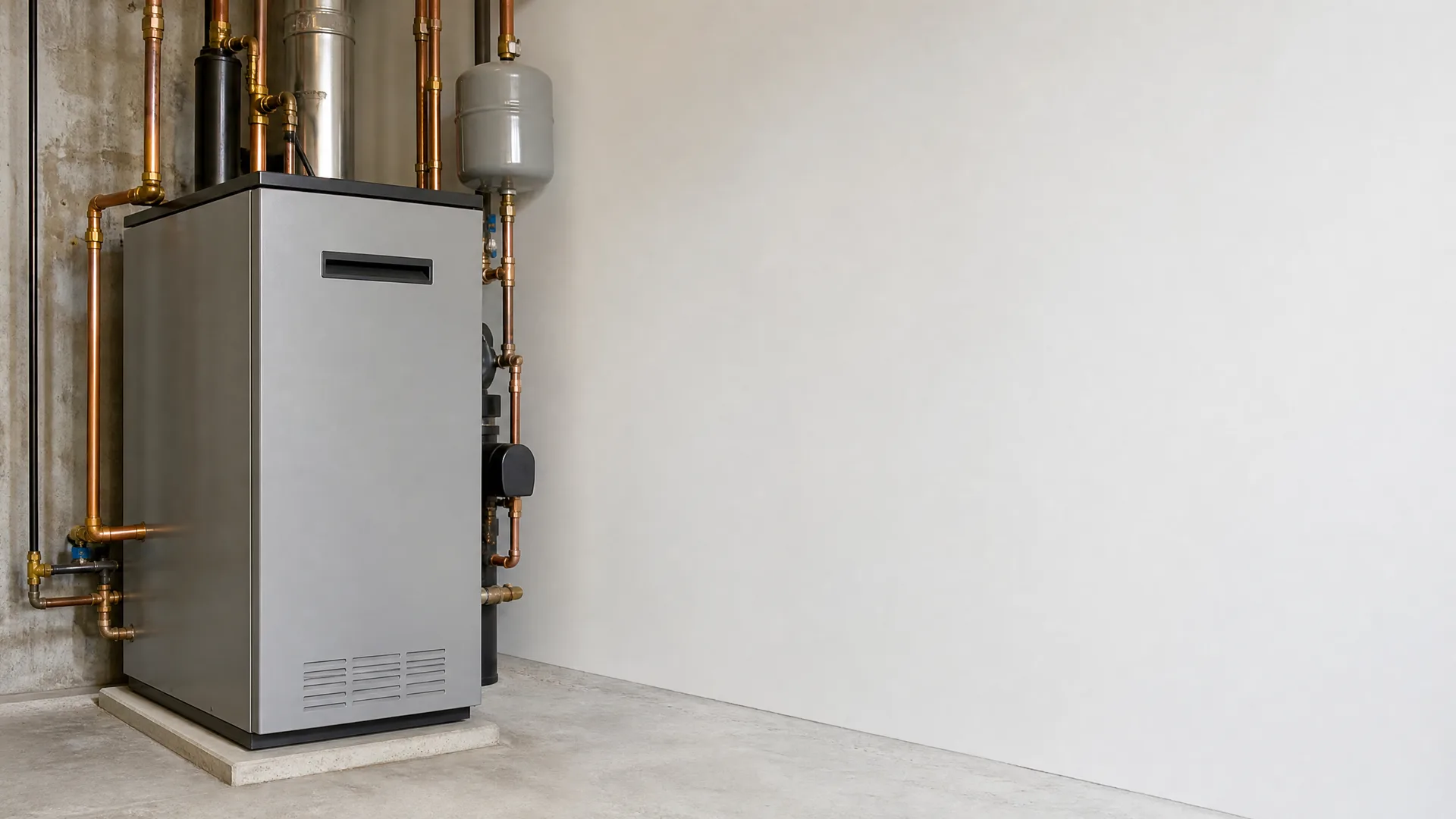
A boiler holds its water in a sealed loop, and that loop doesn't like the cold any better than you do. If it runs through a basement or a crawlspace that dips toward freezing, a small leak that would just weep in July can lose pressure fast in January. Most boilers lock out below 12 psi on purpose, because firing a burner with too little water in the loop can crack the heat exchanger. The gauge on the front of the unit will tell you the number without needing a tech.
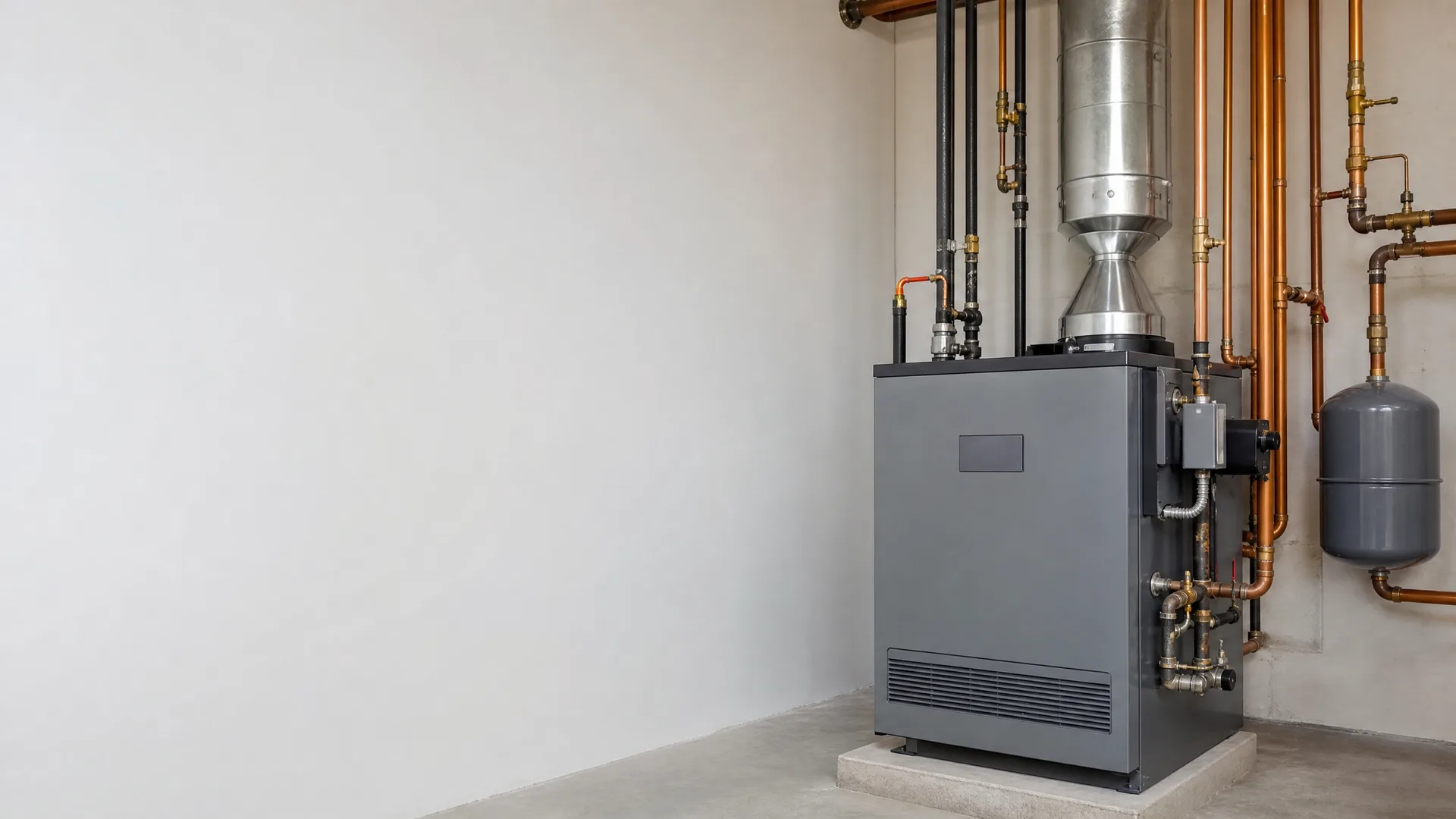
The igniter has one job: get hot enough, or spark enough, to light the gas the instant the burner calls for it. It doesn't stay on between cycles, and it wears out from the repeated heating and cooling the same way a light bulb filament does. When it fails, the boiler still goes through its normal startup, the inducer motor still runs, but no flame ever catches. After a few tries most control boards lock out and flash a code instead of trying again and again.
You hear the boiler try. A click, maybe three or four in a row, then nothing. No whoosh of the burner catching, no warmth coming up through the radiators. You've reset the thing once already and it's doing the same thing again, which usually means it's not getting fixed by waiting it out.
That clicking is the igniter trying to spark the burner. When it clicks and nothing lights, either the spark is weak, the flame sensor can't confirm a flame and shuts the gas valve back off, or the gas isn't getting there in the first place. A dirty or worn flame sensor is one of the more common reasons, since it reads a flame too faint to count as proven, and the control board cuts gas as a safety response. A closed gas valve or a clogged pilot assembly does the same thing from the other direction. After three or four clicks with no light, most boilers lock out until someone resets or repairs the ignition system.




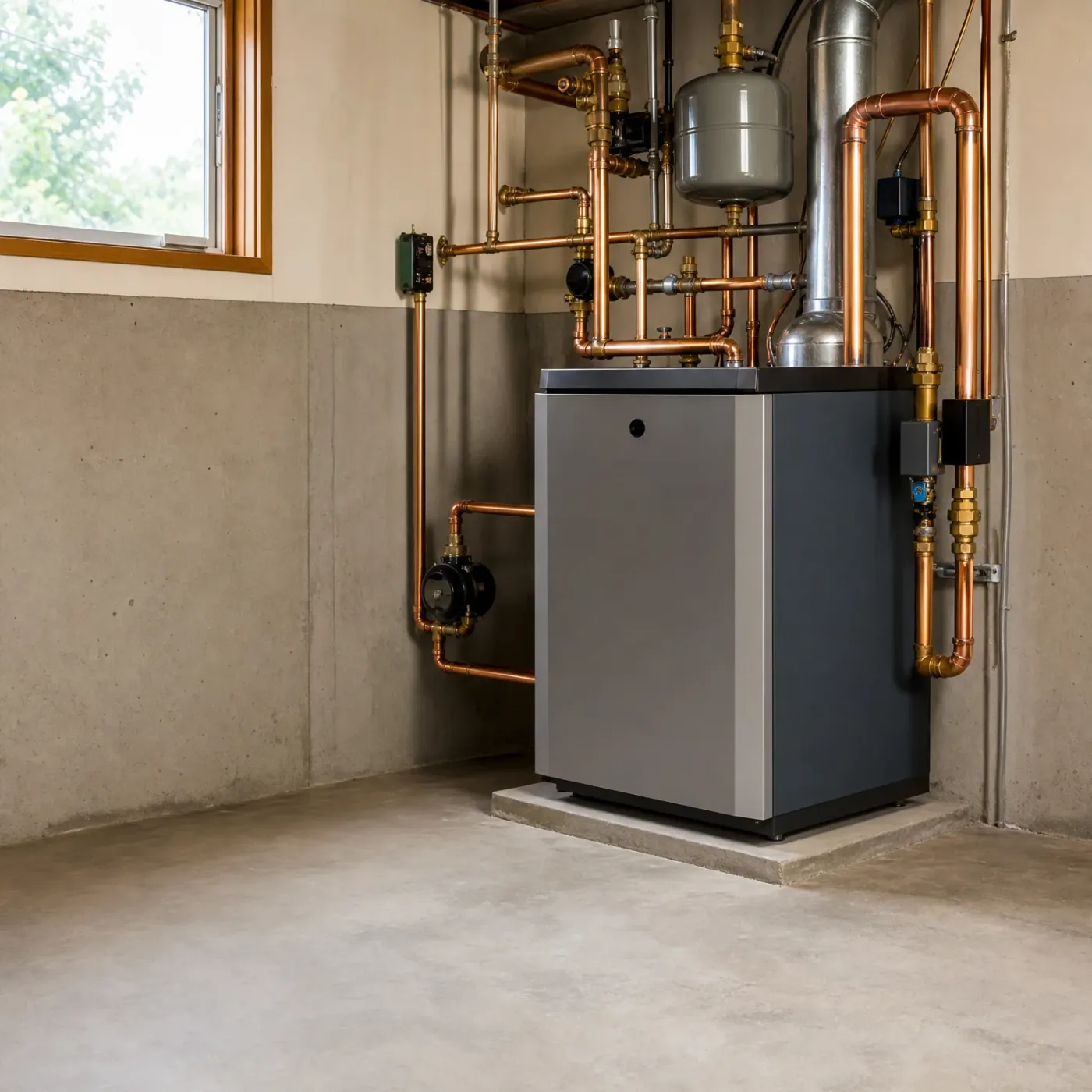
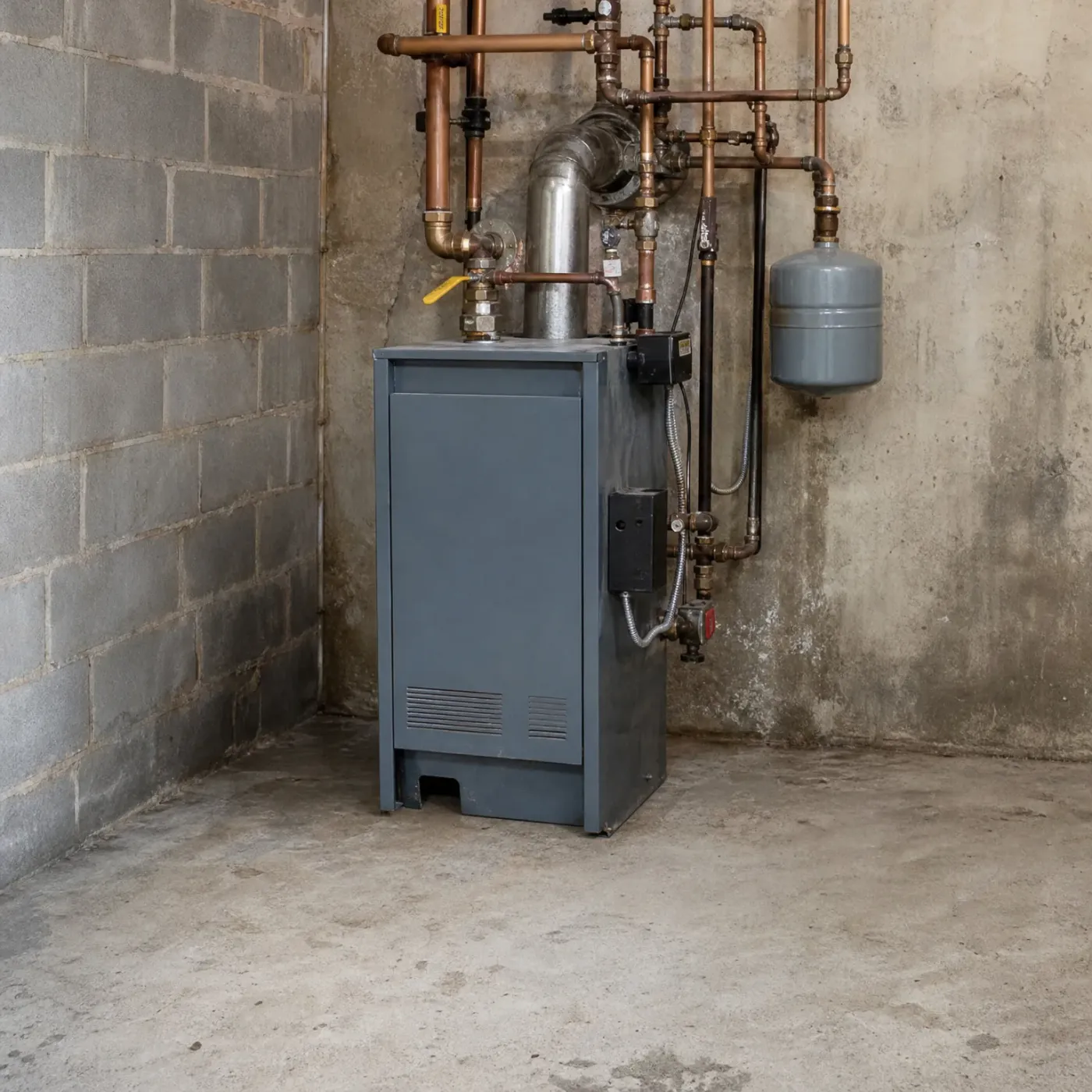
Thermostat calls for heat and sends voltage to the control board.
Control board checks pressure switch, limit switch and water level.
Igniter heats up or pilot flame is sensed by the sensor.
Gas valve opens and the burner lights off the igniter.
Once you send the form, finding a pro is off your list.
Sending the form costs nothing.
Winter nights average 11°F across South Dakota, according to NOAA climate data. At that temperature a boiler isn't just fighting the cold outside, it's fighting it in the basement or crawlspace too, wherever the pipes and pressure tank sit. A loop that holds pressure fine in October can lose enough overnight that the pressure switch won't let the burner fire by morning. That's why a boiler that worked all evening can go dead quiet by sunrise, with no warning the night before. The radiators cool off first, then the rooms farthest from the boiler, so you may notice the back bedroom going cold before anywhere else in the house.
NOAA nClimDiv 1991-2020 county normals weighted by homes
You've checked the thermostat twice and the radiators are still cold. Maybe the reset button didn't hold, or the boiler clicks and quits before it ever catches. The house is losing warmth room by room, slower in some, faster near the windows. If this drags into tomorrow with the temperature outside sitting near zero, pipes in outer walls or an uninsulated crawlspace are what you'd worry about next. A boiler down for an evening is an inconvenience. A boiler down for a couple of days in that kind of cold starts to put the plumbing itself at risk.


A boiler that struggles at that temperature won't get easier to live with on its own. A repair call gets the heat back before the house loses more ground.
Lockouts and pressure drops tend to repeat once they start. Waiting through another cold night risks a frozen pipe a working boiler would have prevented.

A boiler that won't light doesn't just mean a cold basement. It means the kids' rooms upstairs lose heat first, since warm air and warm water both settle low, and by morning the floors feel it before the thermostat shows it. Pipes running along an outside wall or through a crawlspace are the first to sit at real risk once the house drops into the 30s and keeps falling. A furnace problem gives you a few hours of patience. A boiler problem on an 11°F night doesn't give you that long.
You don't have to spend tonight on the phone with a half dozen places that may or may not answer. Once you send the request, the work of finding someone who services boilers in your area stops being your problem to solve. A contractor who handles this equipment gets your information and reaches out to you directly, so you can get back to keeping the house warm instead of getting someone on the line.

At 11°F, a boiler running on a weak pilot or borderline pressure has less room for error. The water in the loop has to fight that cold the whole night, not just the air in the room, so a small fault that would hold on in October can lock the system out by morning.
NOAA nClimDiv 1991-2020 county normals weighted by homes
A boiler that won't fire is almost never a mystery once someone opens the panel. It's an igniter that won't glow, a pressure gauge sitting below 12 psi, a limit switch that tripped and locked the system out. Each of these is a specific part doing a specific thing, and each one gets found the same way: check the pressure, check the flame, check what the control board is seeing. None of it means the boiler is finished. A locked-out system is protecting itself, not dying. The part that's failed can be tested, and in most cases it can be replaced without touching the rest of the unit.
What changes once you send the form is simple. You stop being the one who has to figure out which part it is, who's free to come look at it, and whether they know this kind of system. A contractor gets matched to the job, and from there it's their work to sort out, not yours. The cold radiator upstairs and the quiet basement downstairs are still real tonight, but finding the fix stops sitting on your shoulders the moment that match is made.
South Dakota winters don't give a failing boiler any room to idle. The water in the loop and the air around it are both working against whatever's already gone wrong. But the fix itself is ordinary. A new igniter, a repressurized loop, a reset switch that holds this time. The house gets warm again because the actual problem got found and handled, not because the whole system had to be replaced.
A pro who works on boilers