Tell us about the job
Takes about a minute. No obligation.
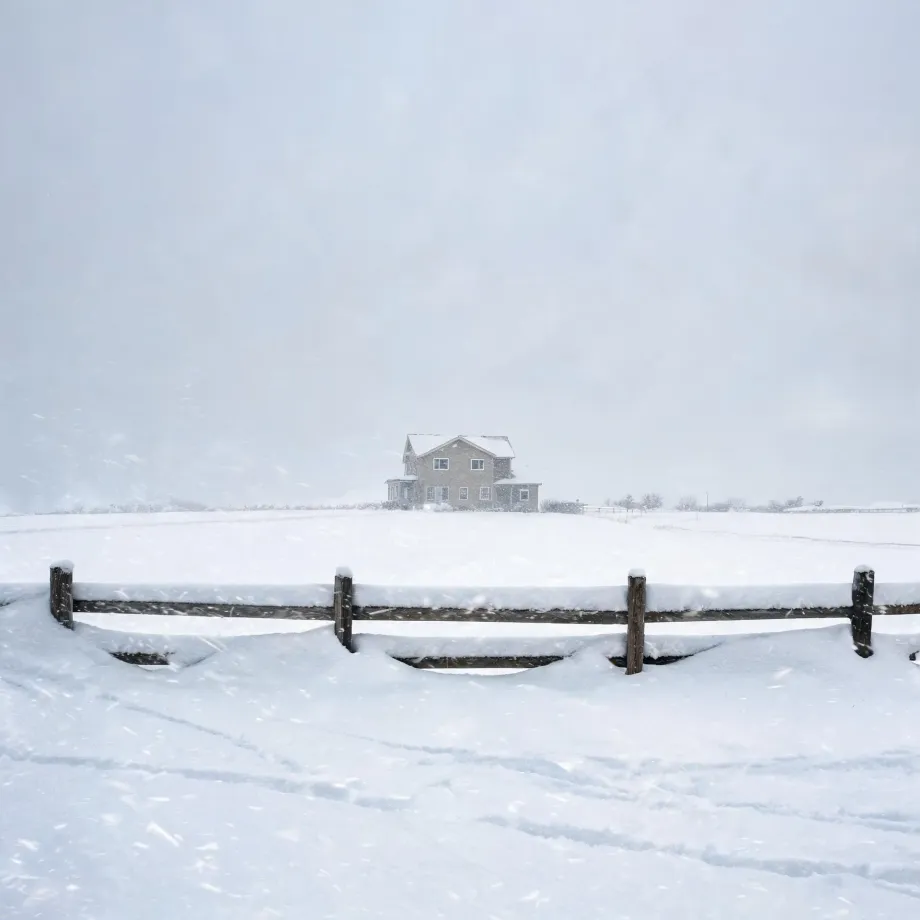
On a boiler repair call in Lake County, a contractor starts at the burner and the ignition system, not the controls or the circulator. Homes in Lake County, SD run heat about nine months a year, from September through May. That kind of accumulated cycling loads the ignition components and the heat exchanger more than any other part of the boiler, and wear on those parts shows up as hard starts, lockouts, or flame failure before anything else goes wrong. A contractor who skips straight to the thermostat or the pump on a no-heat call here is working in the wrong order.
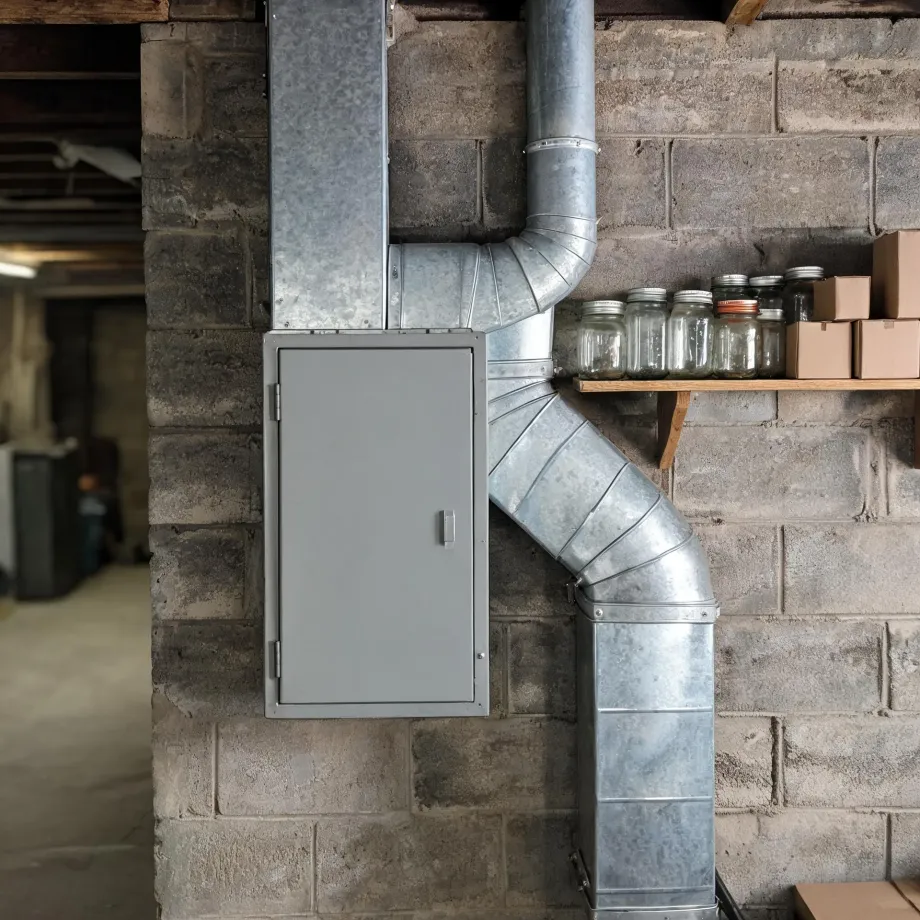
Piping laid out for a boiler that no longer exists does not always suit the one that does. Pressure ratings, zone configurations, and the fittings a contractor finds behind the panels reflect decisions made for a different unit, and those decisions shape what the repair actually requires. Half the homes in Lake County, South Dakota were built in 1975 or earlier (2020-2024 ACS 5-year). A contractor opening a boiler here often finds that the valve, the expansion tank, or a zone control is original to a previous system, which changes both what has failed and what the fix involves.
The Parts of a Boiler a Contractor Checks First
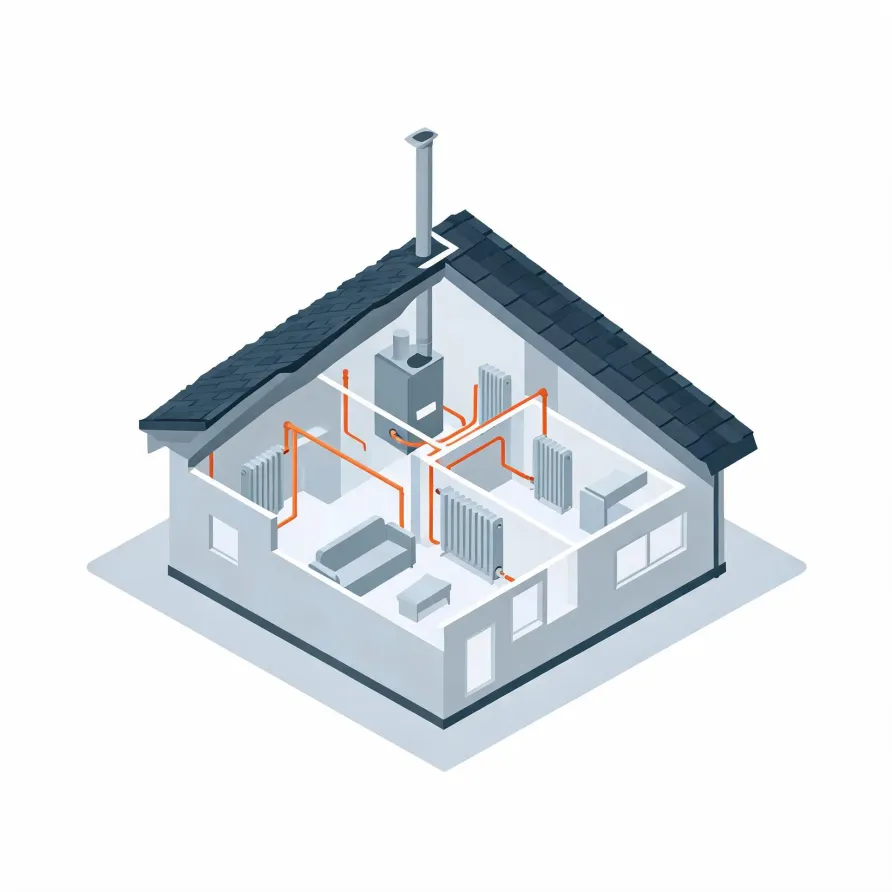
The boiler itself sits in the basement or mechanical room and is the piece a contractor goes to first. It heats water and pushes it through the system. When it fails, the signs range from no heat at all to uneven warmth across rooms. The burner, heat exchanger, and pressure relief valve all live inside or directly on the unit and are common sources of trouble.
From the boiler, pipes carry hot water to radiators or baseboard units throughout the house, then return the cooled water back. The circulator pump drives that movement, and the expansion tank sits nearby to absorb pressure changes in the loop. When a room runs cold or a pipe makes noise, the contractor traces the problem back through these pieces.
The drawing shows a typical boiler system layout, and a licensed contractor determines which components and conditions apply to your specific home.
Find a contractor in Lake CountyLake County, South Dakota, by the numbers
112 severe weather events were recorded in Lake County, South Dakota between 2015 and 2024.
NOAA National Centers for Environmental Information, Storm Events Database, bulk CSV export, events 2015-01-01 through 2024-12-31.Half the homes in Lake County, South Dakota were built in 1975 or earlier (2020-2024 ACS 5-year).
U.S. Census Bureau, 2020-2024 American Community Survey 5-Year EstimatesLake County, South Dakota holds 5,797 housing units (2020-2024 ACS 5-year).
U.S. Census Bureau, 2020-2024 American Community Survey 5-Year EstimatesOwners occupy 73.8% of the occupied homes in Lake County, South Dakota (2020-2024 ACS 5-year).
U.S. Census Bureau, 2020-2024 American Community Survey 5-Year EstimatesSevere Weather Events in Lake County
Boilers work harder and wear faster when the weather outside swings hard. How much stress local conditions put on heating equipment is a Lake County question, not a general one.
112 severe weather events, 2015–2024. Source: NOAA National Centers for Environmental Information, Storm Events Database.