Tell us about the job
Takes about a minute. No obligation.
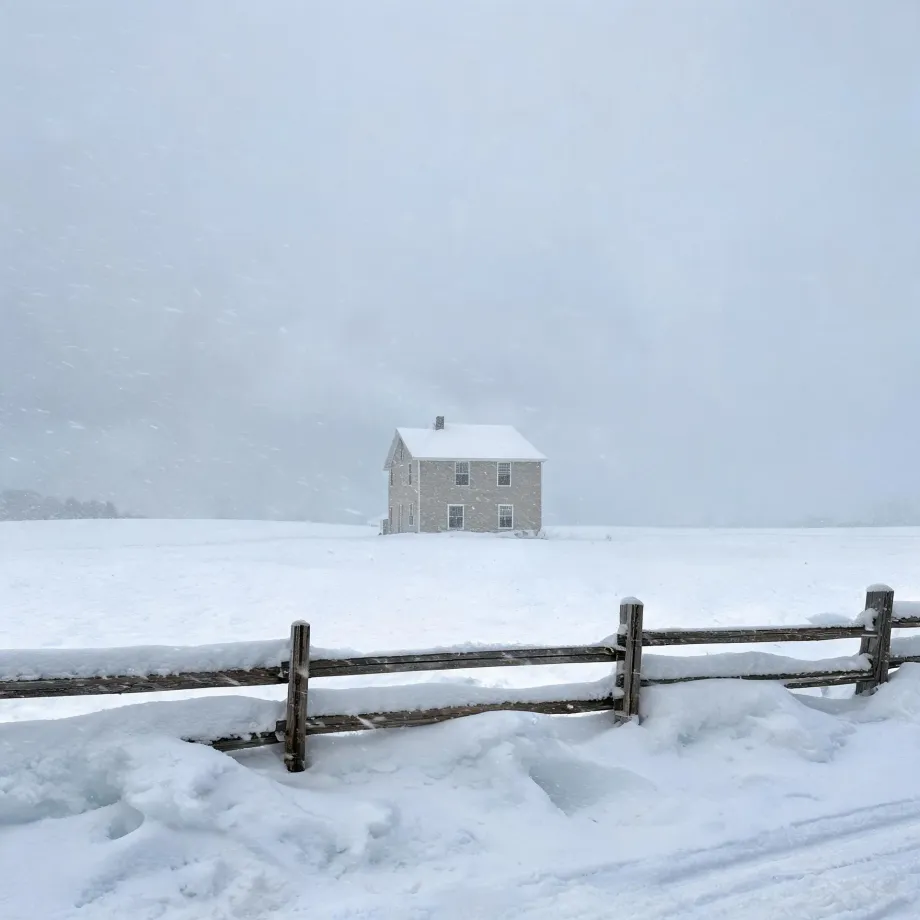
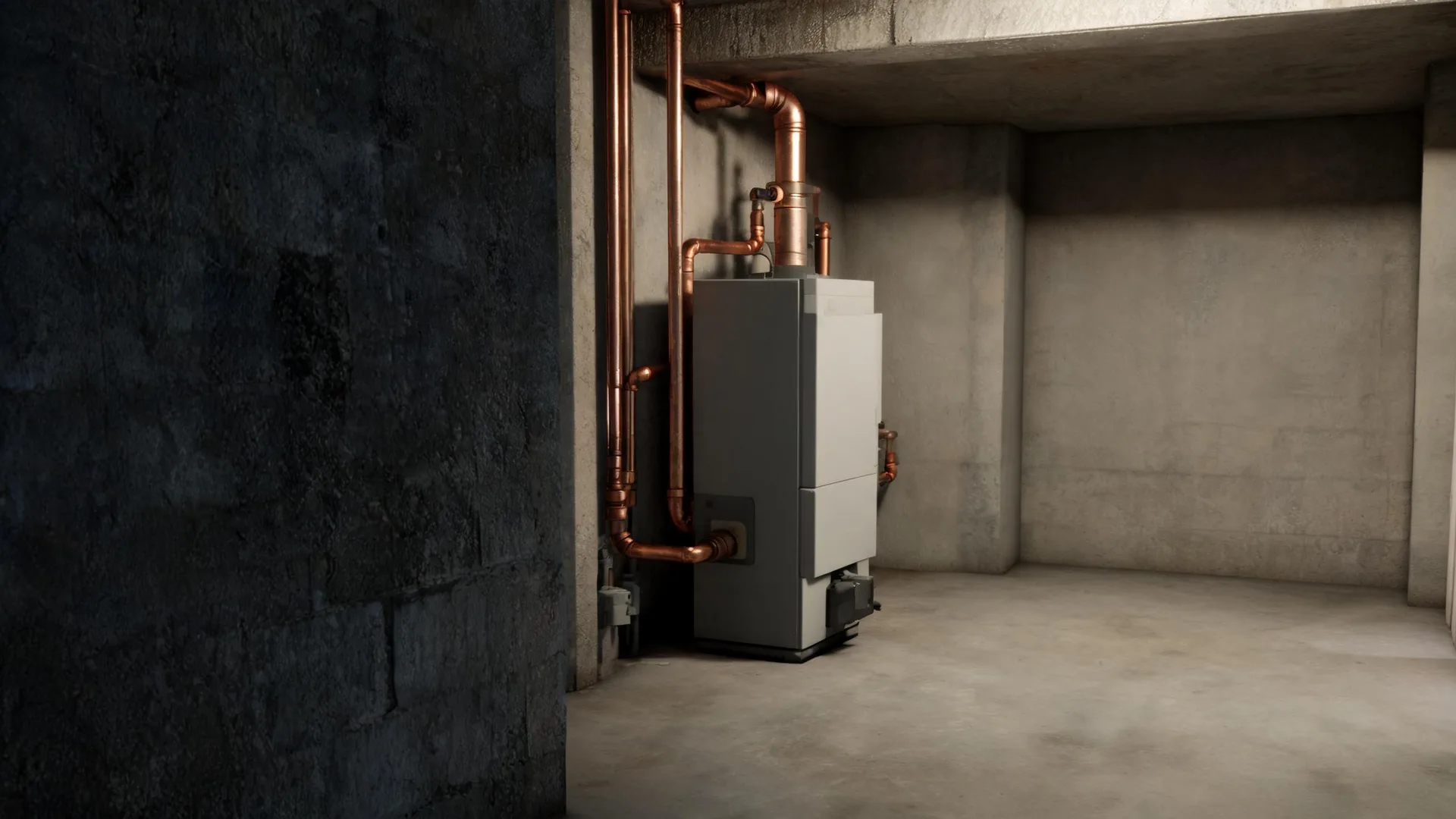
Homes in Minnehaha County, SD run heat about nine months a year, from September through May. Burners and ignition assemblies log a cycle every time the thermostat calls for heat, and a boiler running through a season that long accumulates the kind of repetition that wears those components down in predictable ways. A contractor arriving on a repair call here checks ignition first, then the heat exchanger for fatigue cracks, because that is where the load has been sitting. A system that was undersized at install has even less margin to absorb it.
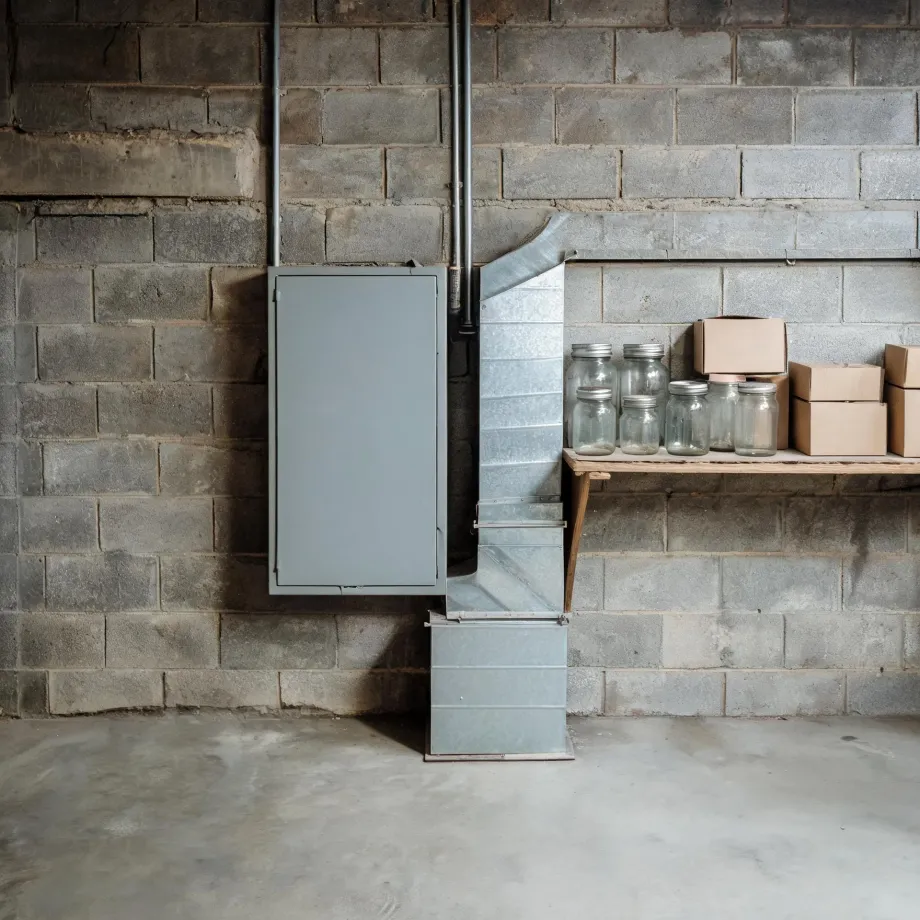
Boilers in houses of this vintage often carry parts that are no longer stocked as direct replacements. Half the homes in Minnehaha County, South Dakota were built in 1987 or earlier (2020-2024 ACS 5-year). A contractor who opens a unit here and finds a cracked heat exchanger or a failed zone valve then has to establish whether a current part fits the original assembly, or whether the repair calls for an adapted component. That search determines the scope of the job before a single part is ordered.
The Parts of a Boiler a Contractor Checks First
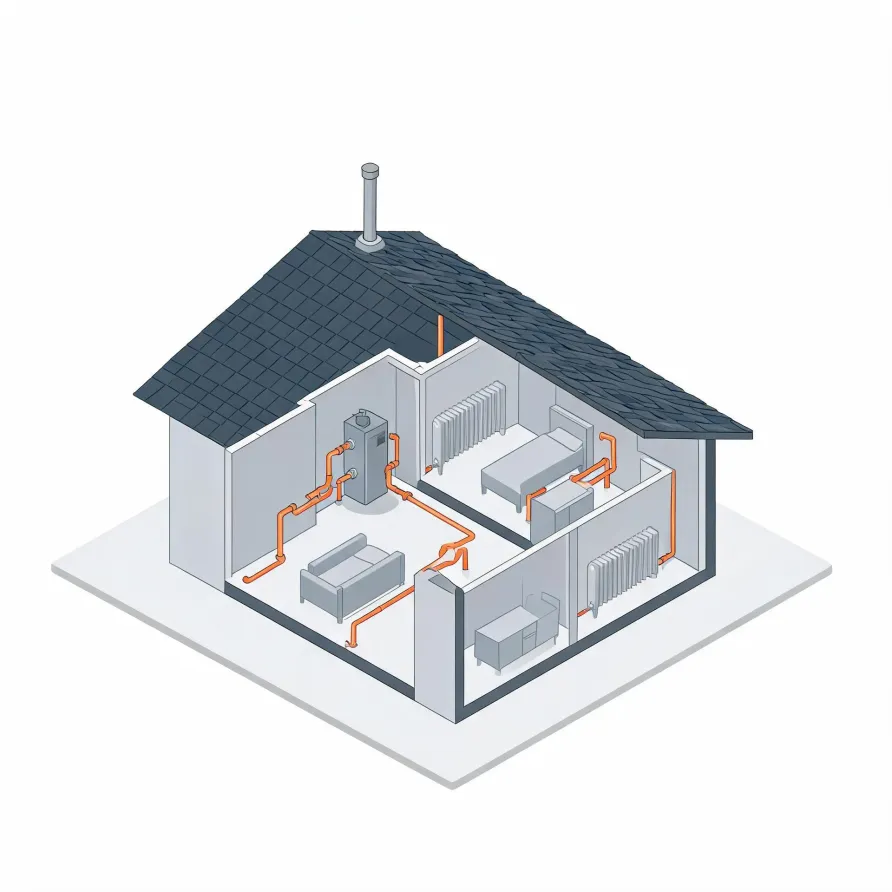
The boiler itself sits in the basement or a utility room and is the piece a contractor goes to first. It heats water and pushes it through the system. When heat is uneven, the boiler is not producing, or the house simply stays cold, that unit is where the diagnosis starts.
Radiators or baseboard units sit in the living spaces and release heat into each room. Connecting them are supply and return pipes that run through walls and floors, and a circulator pump that keeps the water moving. The pump, the expansion tank, and the pressure and relief valves are all components a contractor examines when the boiler runs but the heat does not reach the rooms it should.
The drawing shows a general layout of these components, and a licensed contractor determines what applies to your specific house and system.
Find a contractor in Minnehaha CountyMinnehaha County, by the record
281 severe weather events were recorded in Minnehaha County, South Dakota between 2015 and 2024.
NOAA National Centers for Environmental Information, Storm Events Database, bulk CSV export, events 2015-01-01 through 2024-12-31.Half the homes in Minnehaha County, South Dakota were built in 1987 or earlier (2020-2024 ACS 5-year).
U.S. Census Bureau, 2020-2024 American Community Survey 5-Year EstimatesMinnehaha County, South Dakota holds 89,418 housing units (2020-2024 ACS 5-year).
U.S. Census Bureau, 2020-2024 American Community Survey 5-Year EstimatesOwners occupy 63.1% of the occupied homes in Minnehaha County, South Dakota (2020-2024 ACS 5-year).
U.S. Census Bureau, 2020-2024 American Community Survey 5-Year EstimatesSevere Weather Events in Minnehaha County
Hard weather puts real stress on boiler systems, and Minnehaha County gets its share of conditions that push heating equipment to its limits. How often that happens here shapes how much wear local boilers absorb and what repair work looks like in this area.
281 severe weather events, 2015–2024. Source: NOAA National Centers for Environmental Information, Storm Events Database.