Tell us about the job
Takes about a minute. No obligation.
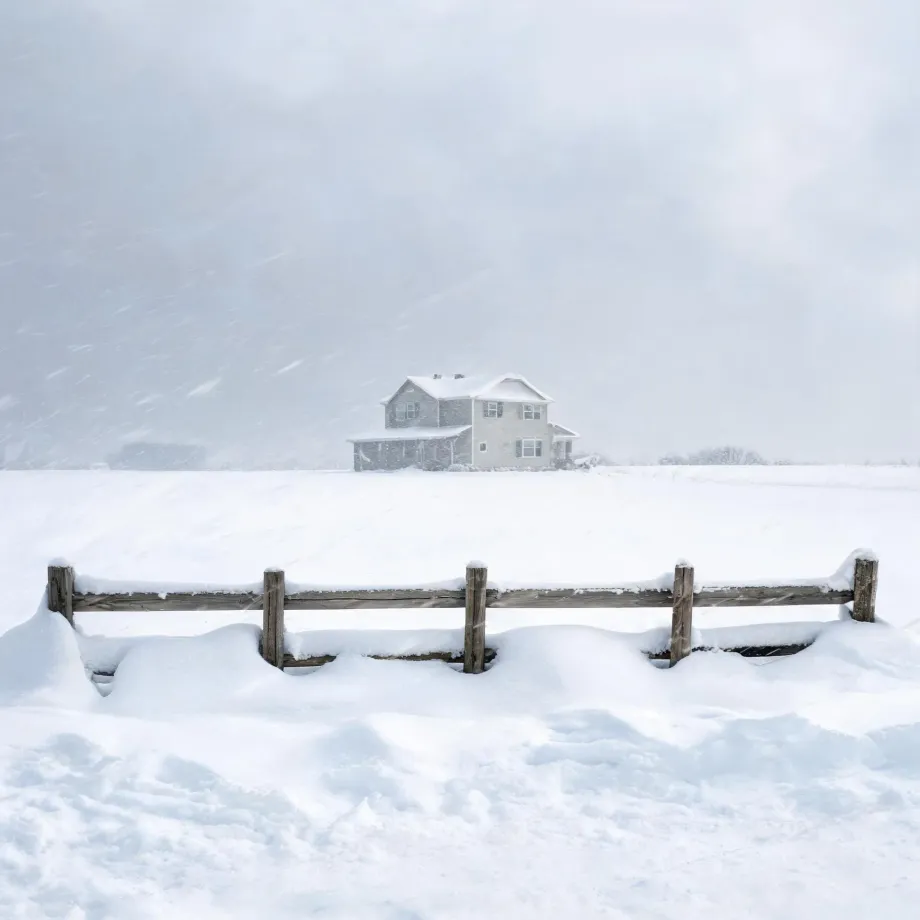
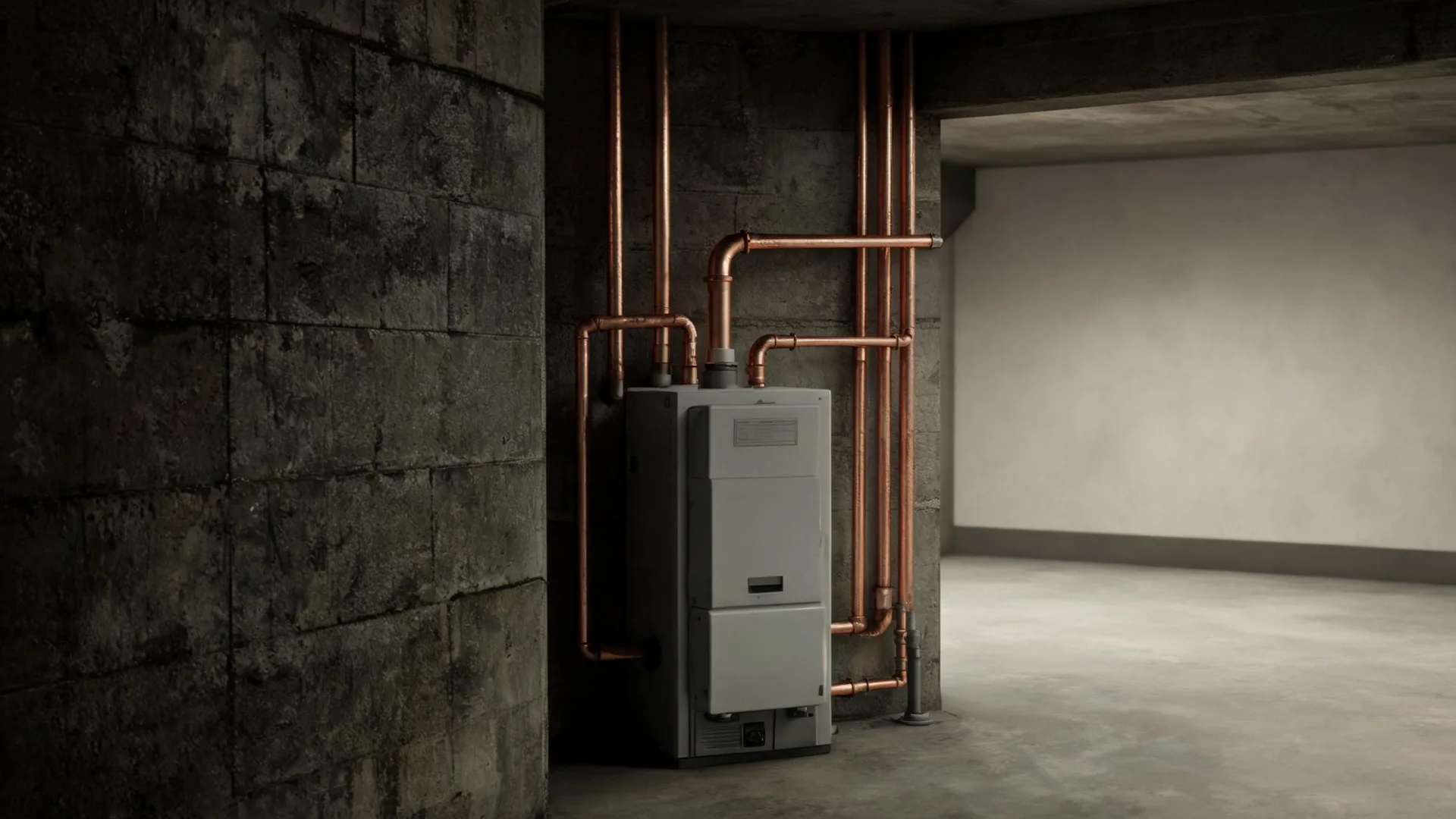
A boiler repair in Aurora County starts with the parts that cycle most: the burner, the heat exchanger, and the ignition system. Homes in Aurora County, SD run heat about eight months a year, from October through May. That kind of sustained cycling builds scale and stress into the heat exchanger long before the system looks troubled from the outside. A contractor quoting a repair here checks those components first, because fatigue there is the likeliest reason the call was made.
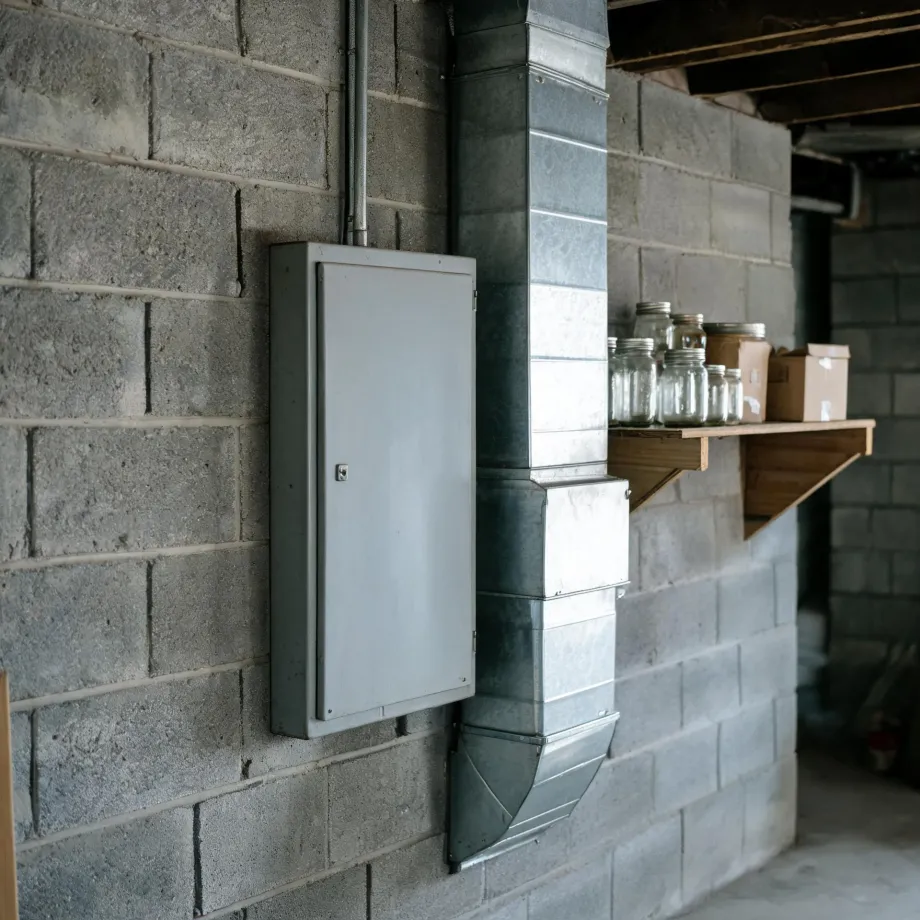
Boilers in houses built for one era of heating equipment and patched through several more carry a specific repair profile. Half the homes in Aurora County, South Dakota were built in 1962 or earlier (2020-2024 ACS 5-year). That history shows up inside the unit: heat exchangers accumulate scale, zone valves stick, and expansion tanks lose their charge in ways that reflect seasons of use rather than a single failure point. A contractor opening a system here is working out which of those conditions is driving the problem and whether the parts that particular boiler takes are still in production.
The Parts of a Boiler a Contractor Checks First
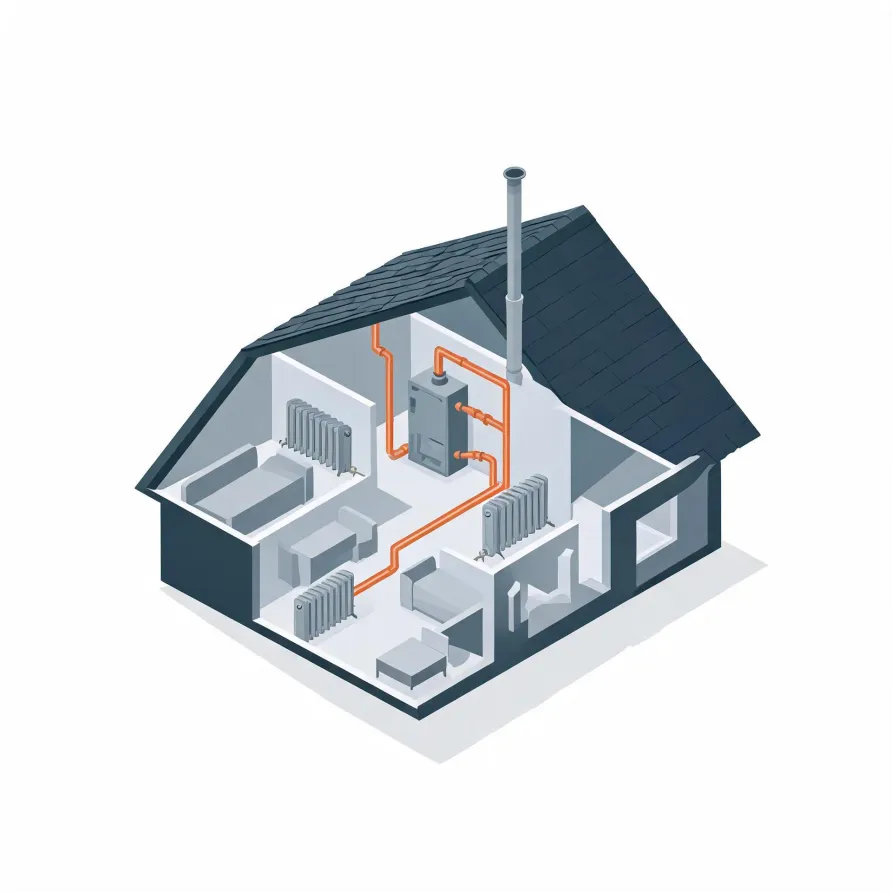
The boiler itself sits in the basement or mechanical room and is the piece a contractor goes to first. It heats water and pushes it through the system. When a boiler is short-cycling, leaking, or failing to reach temperature, the heat exchanger, burner assembly, and pressure relief valve are the components under immediate scrutiny.
From the boiler, supply pipes run through the house to radiators or baseboard units in each room, and return pipes bring cooled water back. The circulator pump, mounted on the return line near the boiler, is what keeps that water moving. A failed pump or a stuck zone valve will leave part of the house cold even when the boiler itself fires normally.
The drawing shows a typical boiler layout, and a licensed contractor determines which components apply and what condition they are in for your specific home.
Find a contractor in Aurora CountyAurora County, in its own words
136 severe weather events were recorded in Aurora County, South Dakota between 2015 and 2024.
NOAA National Centers for Environmental Information, Storm Events Database, bulk CSV export, events 2015-01-01 through 2024-12-31.Half the homes in Aurora County, South Dakota were built in 1962 or earlier (2020-2024 ACS 5-year).
U.S. Census Bureau, 2020-2024 American Community Survey 5-Year EstimatesAurora County, South Dakota holds 1,261 housing units (2020-2024 ACS 5-year).
U.S. Census Bureau, 2020-2024 American Community Survey 5-Year EstimatesOwners occupy 72.7% of the occupied homes in Aurora County, South Dakota (2020-2024 ACS 5-year).
U.S. Census Bureau, 2020-2024 American Community Survey 5-Year EstimatesSevere Weather in Aurora County
Boilers in Aurora County work against whatever the climate delivers, and South Dakota's weather puts real demands on heating equipment over time. Stress from weather events shortens service intervals and drives repair needs, which makes local weather history a practical part of understanding what a boiler here faces.
136 severe weather events, 2015–2024. Source: NOAA National Centers for Environmental Information, Storm Events Database.