Tell us about the job
Takes about a minute. No obligation.
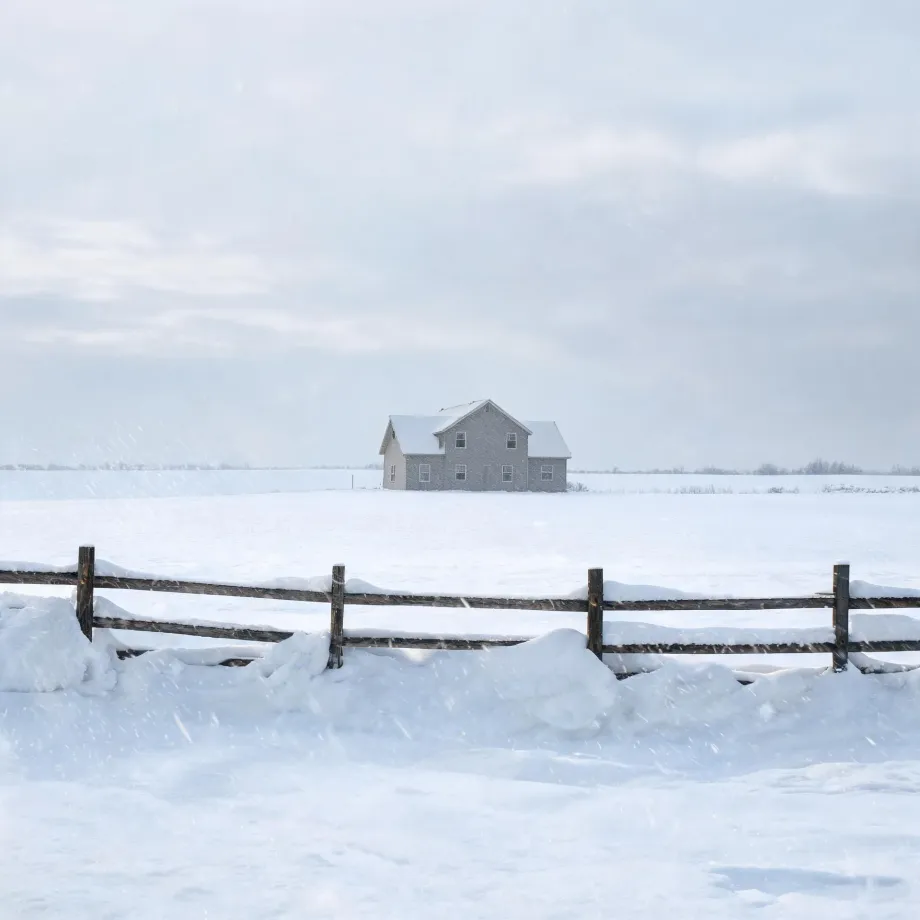
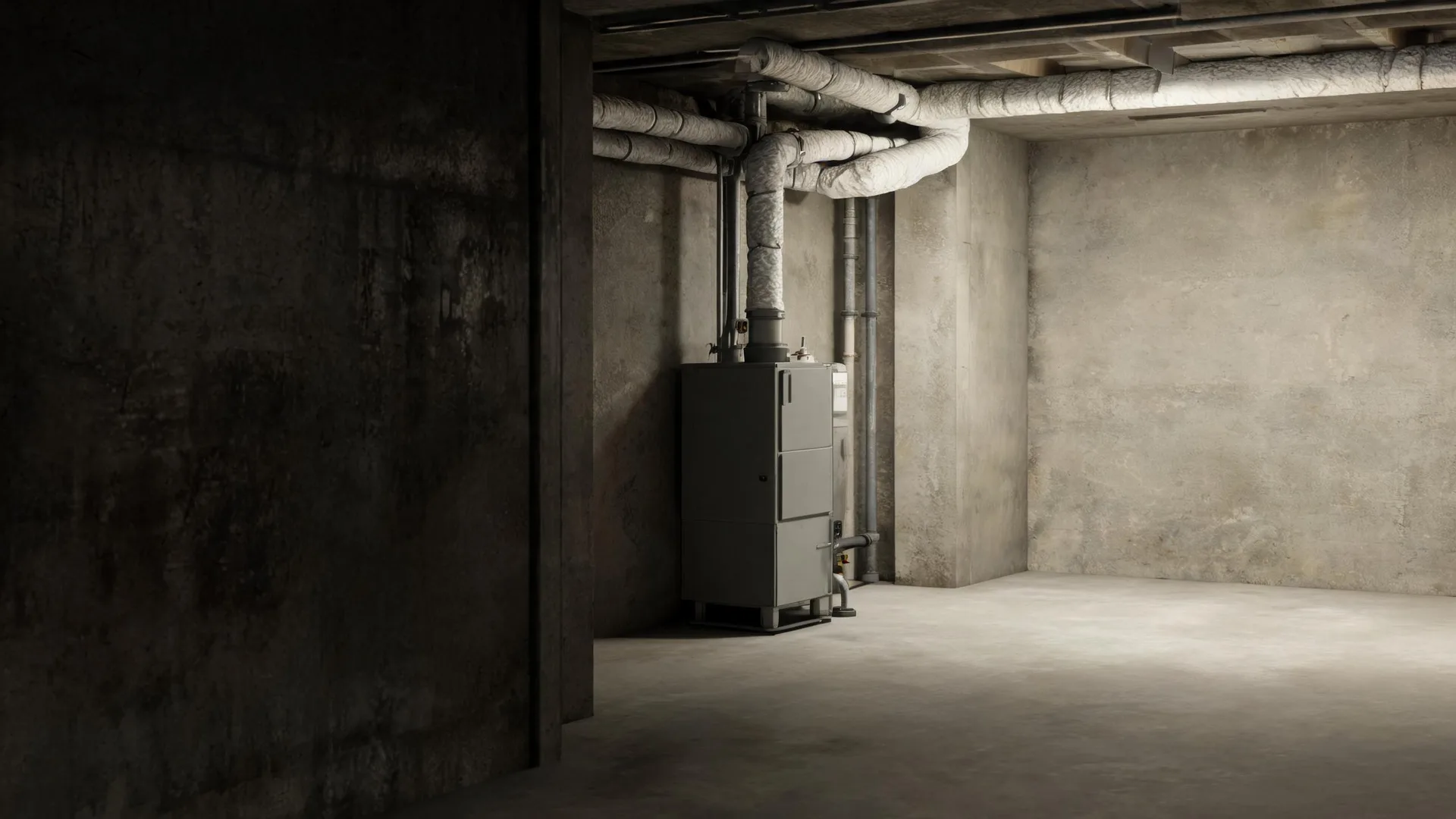
Sizing a boiler for this house is the first decision a contractor has to get right, and the burner and heat exchanger carry the cost of getting it wrong. Homes in Mellette County, SD run heat about eight months a year, from October through May. A boiler working through that kind of calendar cycles constantly, and the ignition system, the heat exchanger seams, and the circulator all accumulate wear against that load. A contractor quoting a replacement here factors in not just the output the house needs but how a system this size will hold up under near-continuous demand. Undersized equipment runs longer per cycle and stresses components faster.
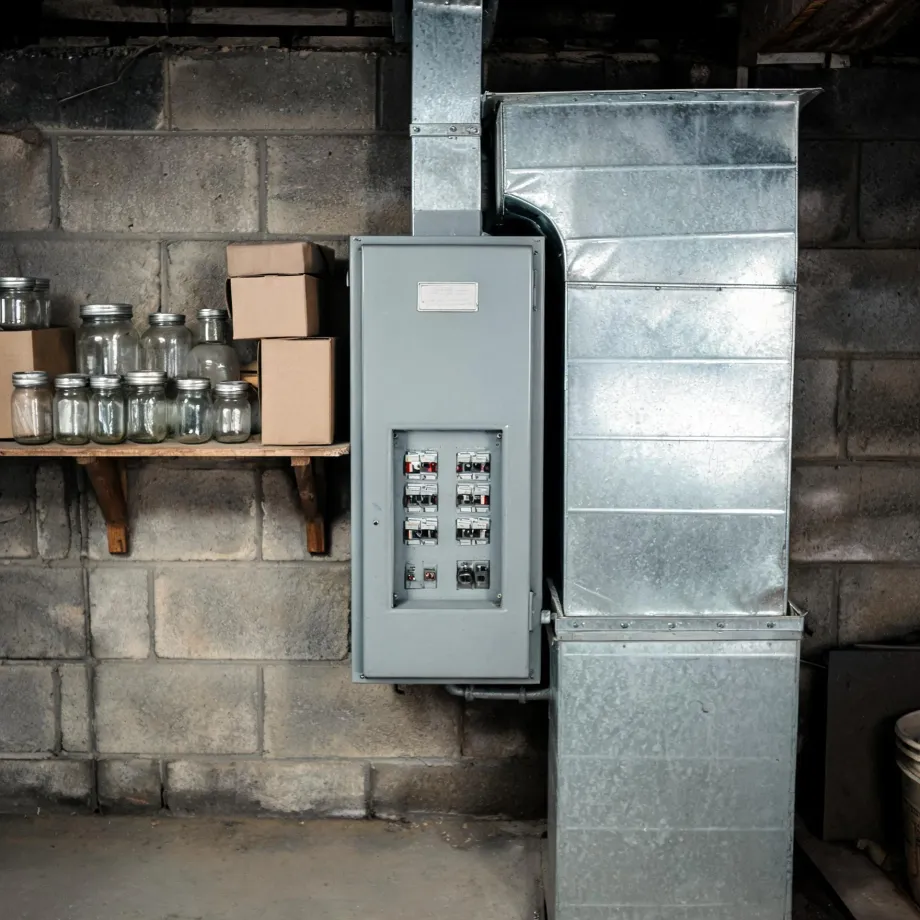
Ductwork laid down for an older heating system was routed and sized around what that system needed, and a new boiler may ask something different of it entirely. Half the homes in Mellette County, South Dakota were built in 1969 or earlier (2020-2024 ACS 5-year). That gap between what the house was built for and what a contractor is now installing is where the real scoping work happens. A contractor will open the existing distribution side, check whether it can carry the new system's output, and price the retrofit accordingly before the boiler itself is ever ordered.
What Gets Installed With a New Boiler
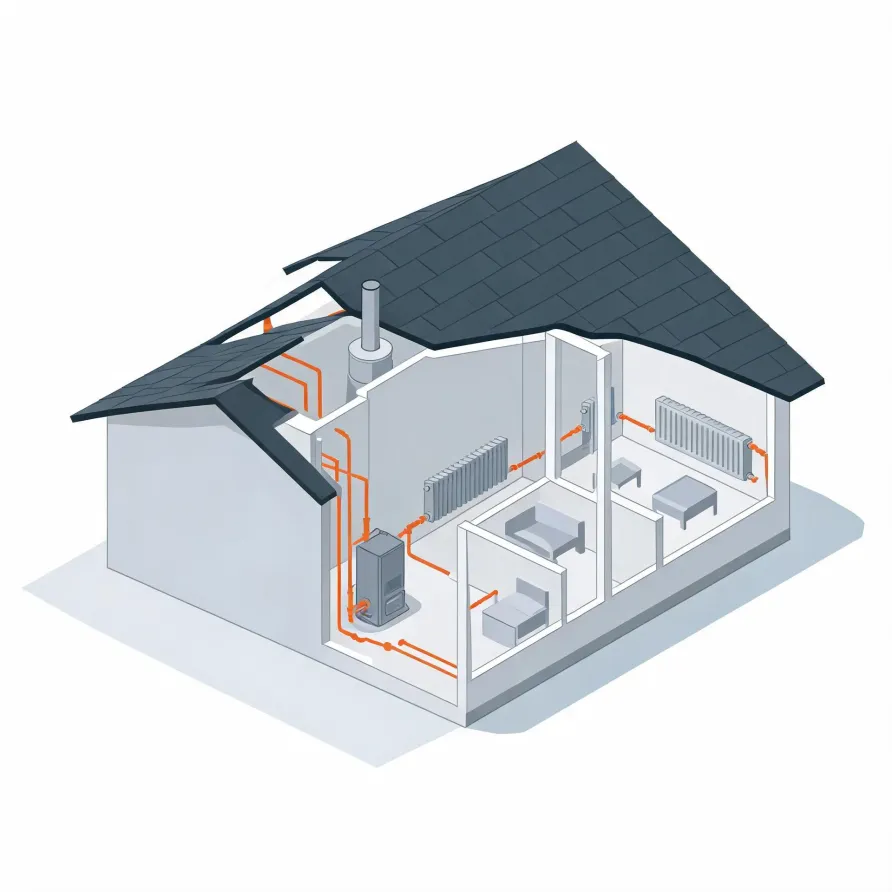
The boiler itself sits in a mechanical room, basement, or utility space and is the heart of the system. It heats water and sends it out through a network of pipes. A pressure relief valve and an expansion tank mount directly to the boiler, keeping pressure inside safe operating range.
Radiators or radiant floor tubing sit at the delivery end, distributing heat room by room. A circulator pump moves the heated water through the pipes, and a thermostat mounted on a main living-area wall gives the homeowner control over when the system runs.
The drawing shows a typical layout, and a licensed contractor determines which components and configurations apply to your specific house.
Find a contractor in Mellette CountyMellette County, by the numbers
144 severe weather events were recorded in Mellette County, South Dakota between 2015 and 2024.
NOAA National Centers for Environmental Information, Storm Events Database, bulk CSV export, events 2015-01-01 through 2024-12-31.Half the homes in Mellette County, South Dakota were built in 1969 or earlier (2020-2024 ACS 5-year).
U.S. Census Bureau, 2020-2024 American Community Survey 5-Year EstimatesMellette County, South Dakota holds 779 housing units (2020-2024 ACS 5-year).
U.S. Census Bureau, 2020-2024 American Community Survey 5-Year EstimatesOwners occupy 60.4% of the occupied homes in Mellette County, South Dakota (2020-2024 ACS 5-year).
U.S. Census Bureau, 2020-2024 American Community Survey 5-Year EstimatesSevere Weather Events in Mellette County
Weather in this part of South Dakota puts real demands on heating equipment. How hard a boiler has to work, and how often, is a local question, and the record of severe weather here is part of that answer.
144 severe weather events, 2015–2024. Source: NOAA National Centers for Environmental Information, Storm Events Database.