Tell us about the job
Takes about a minute. No obligation.
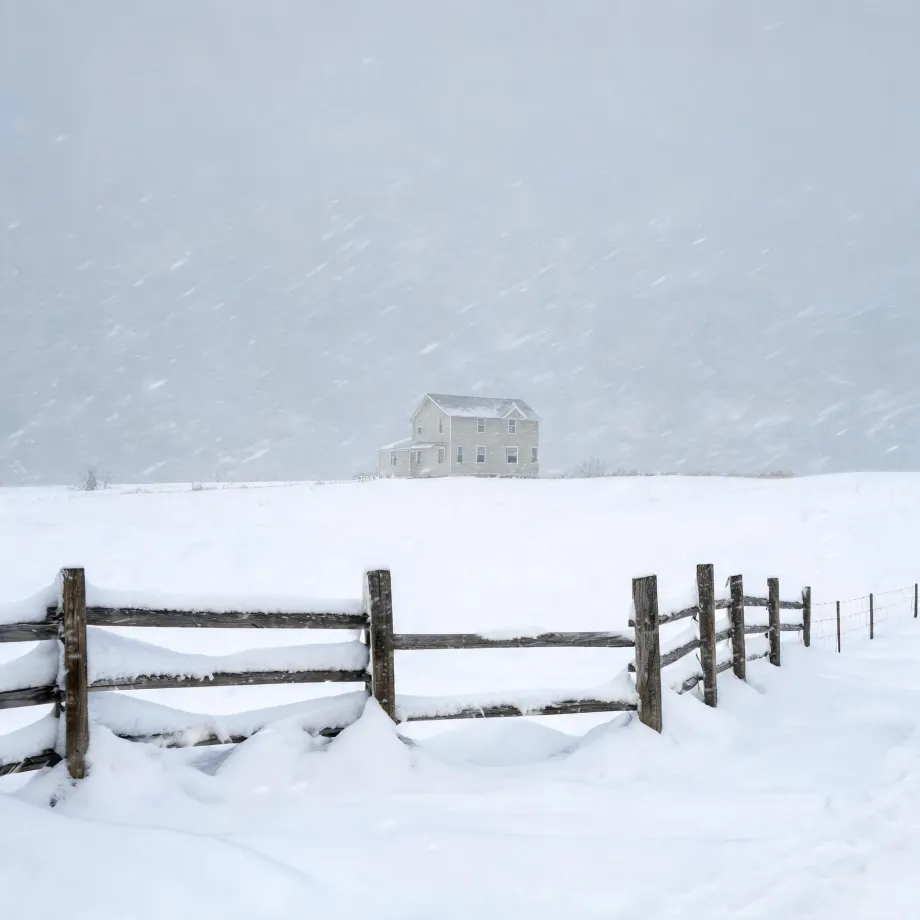
Sizing a boiler for a Tripp County home demands more precision than it does in places where the equipment spends most of the year resting. Homes in Tripp County, SD run heat about eight months a year, from October through May. The burner, the heat exchanger, and the ignition system carry that load every year, and a unit that is undersized runs longer cycles to keep up, stressing those components harder with each season. A contractor quoting a replacement here factors that workload into the equipment selection before anything else, because an install that looks adequate on paper can fall short by March when temperatures are still low and the system has already been running for months.
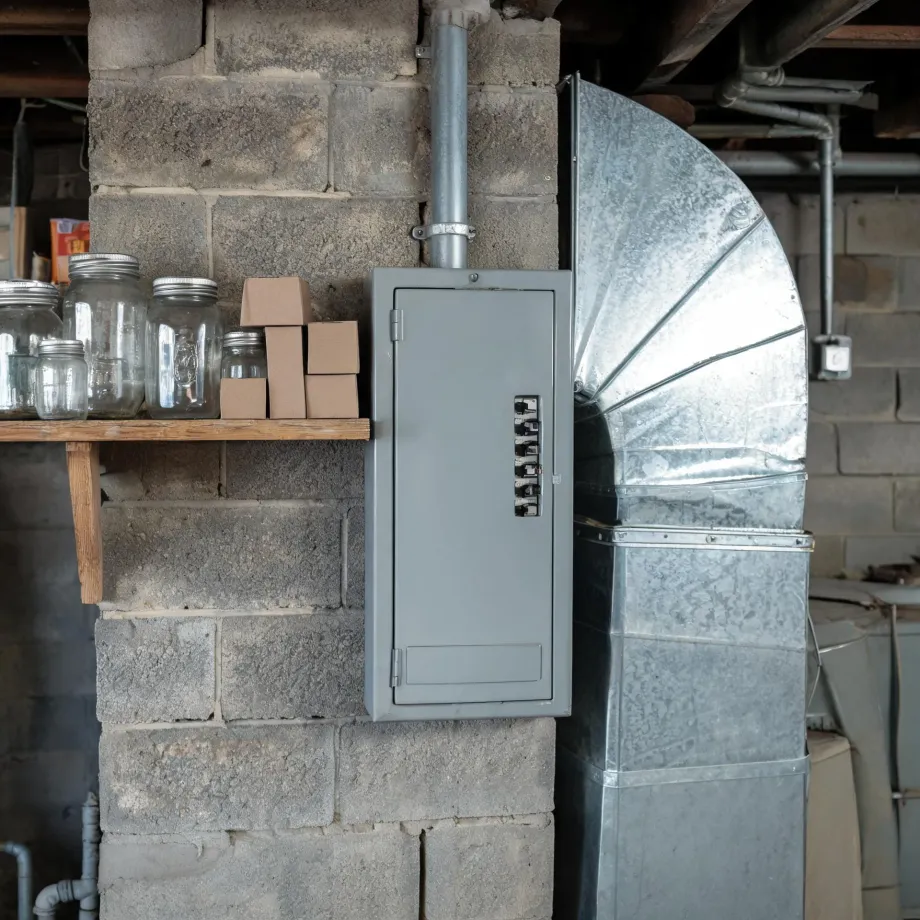
Ductwork laid in for one generation of heating equipment does not automatically carry the next. Half the homes in Tripp County, South Dakota were built in 1969 or earlier (2020-2024 ACS 5-year). A contractor installing a boiler in stock like this checks the existing runs first, because a house framed and ducted for an older system may have trunk lines and returns sized around what that system asked of them, not what a modern boiler will. Where the existing ductwork falls short, the installation scope grows before the boiler itself is ever priced.
What a Boiler Installation Puts in Your Home
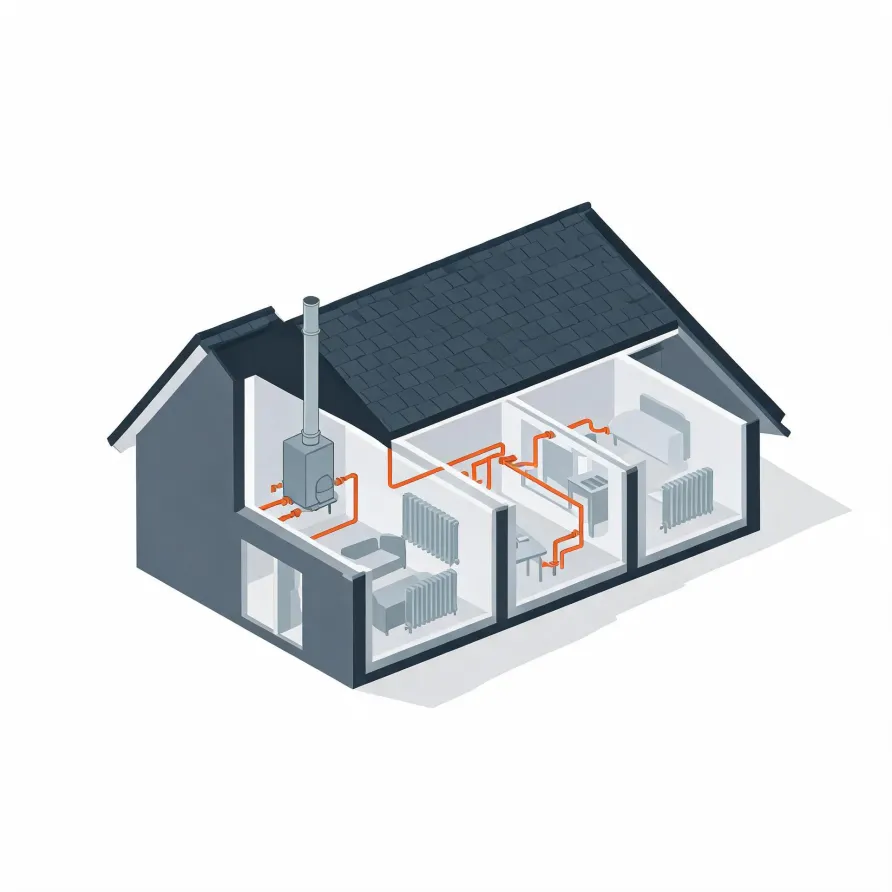
The boiler itself sits in a mechanical room, basement, or utility space and is the unit that heats the water the system runs on. Alongside it, the expansion tank mounts to the piping and absorbs pressure changes as water heats and cools. The circulator pump attaches to the supply line and moves heated water through the system.
Radiators, baseboard convectors, or in-floor radiant tubing sit throughout the living spaces and are the points where heat actually enters the rooms. The thermostat mounts on a wall and tells the boiler when to fire. Supply and return piping runs between all of these, connecting the boiler to each heat-delivery point.
The drawing shows a typical boiler layout, and a licensed contractor determines which components and configurations apply to your specific home.
Find a contractor in Tripp CountyTripp County, by the numbers
232 severe weather events were recorded in Tripp County, South Dakota between 2015 and 2024.
NOAA National Centers for Environmental Information, Storm Events Database, bulk CSV export, events 2015-01-01 through 2024-12-31.Half the homes in Tripp County, South Dakota were built in 1969 or earlier (2020-2024 ACS 5-year).
U.S. Census Bureau, 2020-2024 American Community Survey 5-Year EstimatesTripp County, South Dakota holds 2,762 housing units (2020-2024 ACS 5-year).
U.S. Census Bureau, 2020-2024 American Community Survey 5-Year EstimatesOwners occupy 68.4% of the occupied homes in Tripp County, South Dakota (2020-2024 ACS 5-year).
U.S. Census Bureau, 2020-2024 American Community Survey 5-Year EstimatesSevere Weather Events in Tripp County
Boiler systems work hardest when outdoor conditions push hardest against them. How often that happens here shapes what a contractor sizes, installs, and specifies for this county.
232 severe weather events, 2015–2024. Source: NOAA National Centers for Environmental Information, Storm Events Database.